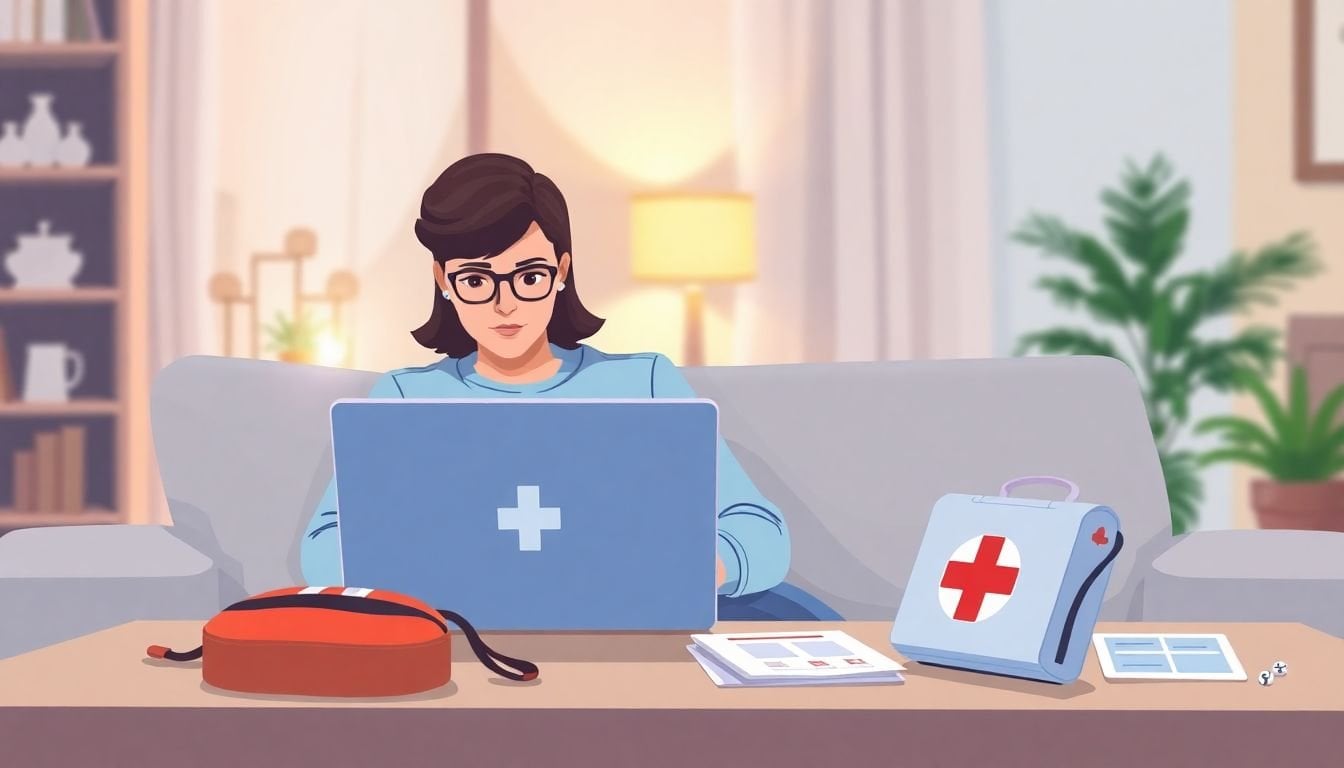
Remote First-Aid Responder Training: How to Get Certified and Why It Matters
If you’ve ever wondered whether first aid training is only for paramedics and nurses, I get it. But honestly? It’s for normal people who want to be useful when something goes wrong. And remote first-aid responder training makes that a lot more realistic for everyday schedules.
In my experience, the biggest win is flexibility. You can fit the learning around work, kids, and life stuff—without driving across town for a full day. And when you pick the right course, you’re not just passively watching videos. You’re making decisions, answering scenario questions, and getting assessed.
So what does “remote” actually mean here? Usually it’s a mix of video instruction, interactive quizzes, and virtual scenarios. Some programs go even further with VR-style experiences or live instructor sessions where you can ask questions in real time.
Key Takeaways
– Remote first-aid responder training uses online lessons, quizzes, and virtual scenarios so you can learn on your schedule.
– Major providers like the American Heart Association (AHA) and Red Cross offer online options, but the “remote” part can vary by course (self-paced vs live sessions vs blended formats).
– You’ll typically cover core skills like CPR basics, bleeding control, choking response, and recognizing stroke/heart attack symptoms—plus how to call for help and stay calm.
– Certification validity depends on the issuing organization and course type (some are 1 year, others 2–3 years), so always check the expiration rules on your specific certificate.
– The best courses include some kind of skill check. If CPR requires hands-on manikin practice for your credential, you may still need an in-person component (or a specific “skills session”).
– Teachers, parents, volunteers, workplace safety teams, and anyone who spends time outdoors often benefit the most because emergencies don’t wait for convenient timing.
– When choosing a course, verify acceptance (employer/school), confirm recertification options, and look for realistic scenario practice—not just “watch and click through.”
– To get started, pick a recognized course, set a weekly completion goal, and keep your certificate details (issue date + expiration) in one place.
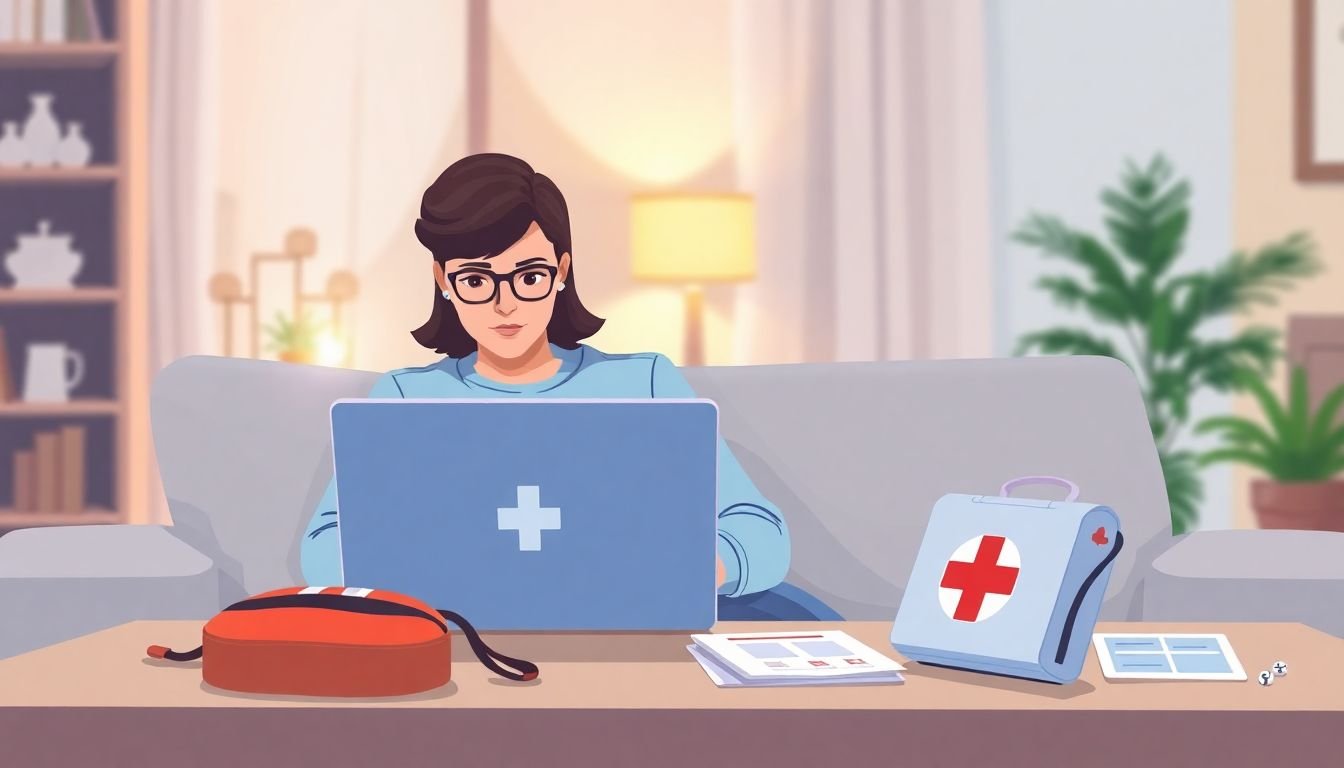
What Is Remote First-Aid Responder Training?
Remote first-aid responder training is learning emergency response skills online—so you’re not stuck waiting for a local class schedule. It’s typically delivered through a learning platform with videos, knowledge checks, and scenario-based questions that test whether you can apply what you learned.
In practice, it usually looks like this: you watch a short lesson, answer a few quiz questions, then work through a branching scenario (“what do you do next?”). Some programs even include interactive “virtual coaching” steps for CPR and choking response. The goal is to get you comfortable making the right call under pressure.
One thing I always emphasize when talking about remote training: “remote” doesn’t always mean “no hands-on skills.” For certain credentials, you may still need a skills session with a manikin (at home with a kit, or in a scheduled in-person event). That’s not a dealbreaker—it just means you should check the course requirements before you buy.
Top Training Programs and Formats
Here’s what I noticed when comparing options: the big-name providers tend to be the safest bet for recognition, but the exact delivery method varies by course and region.
Common remote formats you’ll see:
- Self-paced online: You complete modules on your schedule. You’ll still take quizzes and pass a final exam, but you won’t meet an instructor live.
- Live virtual instructor-led: You join a scheduled session (often via Zoom-style tools). You can ask questions and get guided practice.
- Blended (remote + skills): Online coursework plus a required in-person skills check (common for CPR credentials that need manikin feedback).
- Remote skills with equipment: Some programs use at-home kits or specialized manikins, then you complete a skills verification step.
Examples of well-known course types (and what to look for):
- American Heart Association (AHA): AHA offers online learning options that may include a skills test depending on the specific course (for example, BLS-related credentials often require a skills component). If your employer needs “hands-on CPR skills,” confirm the exact delivery for the version you’re buying.
- Red Cross: Red Cross frequently offers a combination of online coursework and skills verification. Their CPR and first aid offerings are widely recognized, but the “remote” portion can still include a required skills step.
- Other recognized providers: Many local or national organizations also provide remote first-aid training, but acceptance rules can differ. If you’re training for a job requirement, don’t assume every certificate is accepted.
Quick checklist before you pay:
- Does the certificate include the exact course name your employer/school requires (e.g., BLS/CPR, First Aid, AED)?
- Is there an in-person or manikin-based skills requirement?
- What’s the pass/fail structure (quiz score, final exam, scenario completion)?
- How do you download your card/certificate immediately after passing?
- Is recertification offered through the same provider and platform?
Core Skills and Topics Covered
Most remote first-aid courses cover the same backbone skills. The difference is how they test you and whether they give you realistic practice.
Typical core topics you should expect:
- Scene safety + checking responsiveness: what to look for, what to say, and when to call emergency services.
- Breathing and circulation basics: how to decide if CPR is needed.
- CPR guidance: rescue breathing and chest compressions basics (and sometimes AED guidance). The “hands-on” requirement depends on the credential.
- Choking response: recognizing when someone can’t speak/cough effectively and how to respond appropriately.
- Bleeding control: pressure, bandaging basics, and how to monitor for shock.
- Common emergencies: burns, allergic reactions, seizures, and what to watch for while help is on the way.
- Stroke and heart attack recognition: fast symptom recognition and escalation (“don’t wait and see”).
What remote practice can actually look like (real-world examples):
- You might get a virtual scenario where the “patient” changes state (responsive vs unresponsive, breathing status, choking signs). You choose actions and receive feedback.
- Some courses include interactive CPR coaching steps—like prompts for hand placement and compression rate—then test you through quiz-style questions.
- For credentials that require manikin skills, you may be asked to complete a timed CPR portion with a device or attend a scheduled skills session. If you don’t see that requirement clearly stated, that’s a red flag.
One honest limitation: remote training can’t fully replace muscle memory the way a real manikin session can. If you’re planning to rely on these skills regularly (workplace, school, volunteering), I’d rather see a course that includes a real skills check than one that’s “mostly videos.”
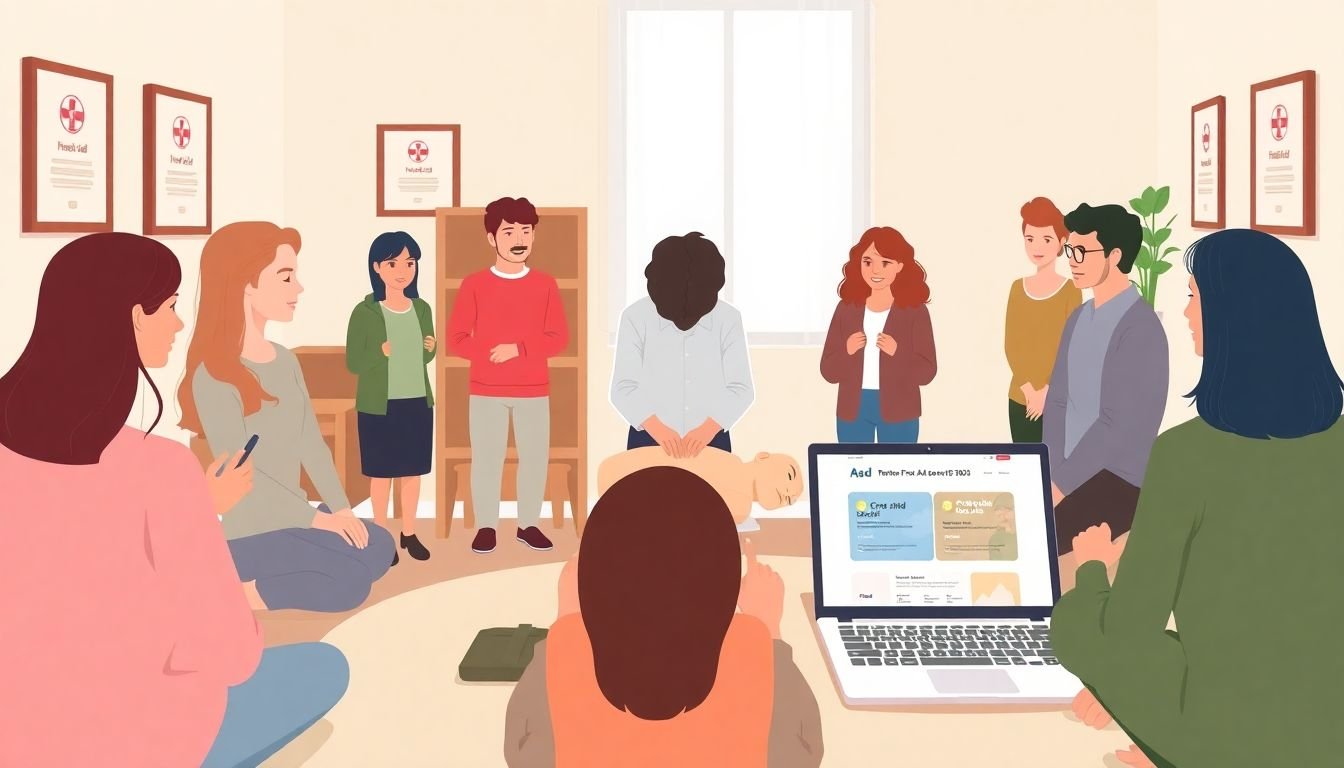
How Certification Keeps You Valid and Motivated
Getting certified is the easy part. Staying certified is what keeps you confident when it actually matters.
Here’s the part people miss: certification length isn’t one-size-fits-all. It depends on the issuing organization, the specific course (CPR vs First Aid vs blended modules), and sometimes local employer rules.
In my experience, you’ll commonly see validity windows like:
- 1 year for some workplace-specific CPR/First Aid requirements (especially in certain industries).
- 2 years for many standard first aid/CPR credentials.
- 2–3 years for some training card formats depending on the program and updates to guidelines.
What recertification usually involves:
- A shorter refresher course (often online)
- Passing a quick assessment or exam
- Sometimes completing a skills check again (especially for CPR credentials)
And yes—guidelines do change. That’s why recertification matters. It’s not just paperwork. It’s how you stay aligned with current best practices for things like CPR quality, AED use, and emergency communication.
One quick verification tip: when you receive your card, check the exact course name, issue date, and expiration date. Then confirm your employer/school accepts that issuing organization and course version. If you’re ever unsure, ask HR or the training coordinator what they require—don’t guess.
Who Should Get Trained and Why?
If you work around other people, remote first-aid training is a smart move. Emergencies happen at the worst times: during a shift change, during a school event, at a family gathering, or when you’re halfway to nowhere.
Remote first-aid training is especially useful for:
- Teachers and school staff: you may be responsible for safety during events and field trips.
- Parents and caregivers: kids get hurt fast, and knowing what to do in the first minutes is huge.
- Volunteers and community groups: food drives, sports leagues, and faith communities often need coverage.
- Outdoor enthusiasts and travelers: you can’t always count on immediate help, and being able to triage helps.
- Workplace teams: warehouses, offices, and customer-facing roles often have safety requirements.
Also, remote training lowers the barrier to entry. If you can’t get to a class, you still get a structured way to learn. That matters for people who would otherwise postpone training indefinitely.
How to Pick the Best Course for You
Here’s my no-nonsense approach: pick the course that matches your real need, not just the one with the nicest website.
Use these criteria:
- Recognition: If your job or school requires a specific credential, make sure the certificate is issued by a recognized organization and is accepted.
- Delivery details: Look for clear info on whether CPR skills require manikin practice and whether a skills session is required.
- Assessment quality: Do they test you with scenario questions and a final exam? Or is it mostly “click through” content?
- Time to complete: Some courses can be finished in a couple of hours; others take longer depending on modules and assessments. Check the estimated completion time.
- Cost transparency: Pricing can vary a lot by credential type and whether skills are included. If the course page doesn’t clearly explain what’s included, that’s annoying at best and misleading at worst.
- Recertification support: Can you renew easily through the same provider? Is there a refresher option?
About the comparison link: If you’re trying to compare platforms and don’t know where to start, you can use https://createaicourse.com/compare-online-course-platforms/ to help you evaluate learning platforms. Just remember: platform comparisons don’t replace checking the actual first-aid credential requirements (recognition, skills checks, and expiration rules).
Where to Jumpstart Your Learning Journey
If you want reputable starting points, go straight to the official organizations first. For example, you can explore training options through the Red Cross and other major providers.
After that, I’d narrow down based on what you need:
- If you need a credential for a job, search for the exact course type your employer lists.
- If you just want personal preparedness, choose a course that includes scenario practice and a clear final assessment.
- If you’re renewing, check whether recertification is available online (and whether it includes a skills check).
Also, keep an eye out for courses that are mobile-friendly. Being able to complete modules on your phone during a commute or between meetings can make the difference between “I’ll do it later” and actually finishing.
Quick Steps to Get Started Today
If you’re ready to move from “thinking about it” to “done,” here’s what I’d do:
- Pick the right credential: CPR/First Aid/AED and the exact course name your requirement needs.
- Confirm the delivery method: self-paced vs live virtual vs blended, and whether a skills session is required.
- Set a realistic pace: I like one module per week (or a few per week if it’s a shorter course) so it doesn’t pile up.
- Do the scenario practice seriously: don’t rush. Those “what would you do next?” questions are where it sticks.
- Download your certificate right away: save it and note the expiration date.
- Tell someone you trust what you learned: even a quick summary helps you retain the steps when you need them later.
FAQs
Remote first-aid responder training teaches you how to handle emergencies using online tools like videos, quizzes, and scenario-based practice. Depending on the credential, you might also complete a skills verification step (such as a manikin-based CPR check) either in-person or through a required remote skills process.
Most remote first-aid trainings cover scene safety, checking responsiveness, basic breathing/CPR decision-making, choking response, bleeding control, and recognizing symptoms that need urgent action (like stroke or heart attack signs). Many courses also include emergency communication guidance and how to stay calm while help is on the way.
Renewal timing varies by the issuing organization and the exact course. Many first-aid/CPR credentials are valid for around 2 years, but some workplace requirements can be 1 year and others can run 2–3 years. Always check the expiration details on your specific certificate and confirm what your employer/school expects.