
Monetizing Through Sponsorships and Ads in 5 Simple Steps
If you’re trying to monetize through sponsorships and ads, it can feel like you’re juggling two different games at the same time. Do you chase brand deals? Do you crank out more traffic so ads pay out? Honestly, it’s easy to get overwhelmed.
Here’s the scenario I see all the time: you’re a creator (or educator) posting consistently, your audience is growing, but your revenue is still patchy—one month is great, the next month is “wait… what happened?” This is the exact moment where a simple, repeatable plan matters.
So in this post, I’ll walk you through 5 steps to turn sponsorships and ads into real income. By the end, you’ll have a sponsorship package outline you can copy, an ad placement “map” you can use as a starting point, and a basic analytics routine (with the specific metrics to check) so you’re not guessing.
We’ll cover sponsorship strategy, ad monetization essentials, how to balance both without annoying your audience, and how to measure results with practical analytics. Then I’ll share a few long-term habits that actually help.
Key Takeaways
- Build sponsorship packages with clear deliverables (and clear outcomes). Pick brands that match your audience so deals feel natural, not forced.
- For ads, focus on placement + intent. Search-driven ad formats often perform better than generic display banners, especially when your content ranks.
- Use a “rule of thirds” approach, but define it operationally (time/word count + a content calendar) and adjust based on audience tolerance and your RPM/CPM targets.
- Track the right metrics weekly (RPM/CPM, CTR, CPC, conversion rate, retention drop-offs) so you can double down on what pays and cut what doesn’t.
- Keep sponsor relationships warm and diversify revenue over time (email list, digital products, affiliates, webinars), so you’re not stuck relying on one channel.

1. Start with Effective Sponsorship Strategies
Sponsorships can be a huge boost to your income. But I’ve also seen them go sideways when creators treat them like “random brand shout-outs.” You don’t want that.
Here’s what I’d do first: tighten your audience profile and match it to brands that already serve that same person. That’s the difference between “they paid me” and “this deal actually helped them.”
In 2024, many brands cut sponsorship budgets. For example, 74% of brands reduced sponsorship budgets in 2024, with administrative expenses down about 18%. So yeah—less money is floating around. But it also means brands are being pickier, and they’ll pay more for partnerships that look credible.
What does “credible” look like? It looks like your content style, topics, and audience demographics lining up with the sponsor’s product category.
Example: if you create educational or how-to content, you’ll usually have an easier time with partners like course platforms, productivity tools, learning communities, or software your audience already uses. I’ve seen deals work especially well for creators who cover “how to” topics consistently—because the sponsor message fits naturally.
Be upfront with sponsorships. Not “maybe someday we’ll disclose.” Right away. In my experience, the audience trusts you more when you say what’s sponsored and why. It also keeps you out of awkward compliance situations.
Now the practical part: build sponsorship packages that are easy to buy. Include deliverables and expected outcomes.
Copy/paste sponsorship package tiers (example you can adapt):
- Tier 1: Starter (1 deliverable) — 1 sponsored mention (30–60 seconds in video OR 1 blog section + CTA), plus 1 social post (optional). Includes one round of revisions.
- Tier 2: Growth (2–3 deliverables) — sponsored mention + dedicated section/link in the main article or video description, plus 1 email mention to your list (if you have one). Includes performance tracking links (UTMs) and a short post-campaign report.
- Tier 3: Partner (month-long) — 2–4 placements across multiple pieces (ex: one “best tools” article, one tutorial, one short-form clip), with a consistent CTA and a brand-safe messaging framework. Includes monthly analytics summary and optional live Q&A segment.
When you pitch, don’t just say “I’ll mention your product.” Say what you’ll do: where it appears, how it’s worded, how long it runs, and how the sponsor benefits (traffic, lead capture, sign-ups, app installs, whatever you can reasonably measure).
Finally, keep a simple “brand fit” checklist so you don’t waste time pitching companies that won’t convert:
- Does the brand solve a problem your audience actually has?
- Does your audience already pay for similar products/services?
- Is the brand’s tone compatible with your content style?
- Can you create a believable use-case in your content (not just a generic ad)?
2. Focus on Ad Monetization Essentials
Ads aren’t going away. But you also don’t want to treat ad revenue like luck. In my experience, the biggest wins come from two things: (1) choosing ad formats that match your content intent, and (2) testing placements without breaking the user experience.
One reason search-driven ad formats can outperform generic display banners is simple: the ad is more likely to match what the visitor is looking for. That said, the exact conversion numbers vary by industry, device mix, and targeting.
In the original article you referenced, there’s a conversion-rate comparison (4.40% vs 0.57%) mentioned without a clear breakdown of source/methodology. I can’t verify that exact figure from here, so I’ll give you a more useful way to think about it: optimize for intent. If your page is answering a specific question, your ads should feel like part of that journey—not random noise.
Ad formats to consider (practical starting point):
- In-content units (native-style placements inside the article/video page): often work better than full-screen interruptions because they don’t feel as disruptive.
- Search widgets / search ads (where available): typically align with user intent if the user is actively searching or browsing relevant topics.
- Display banners: can still work, but I’d treat them as “support,” not the main revenue engine.
On the network side, it’s common to start with tools like Google AdSense, Media.net, or Ezoic (depending on your site/platform and eligibility). Programmatic advertising is a big reason CPMs can vary a lot, so don’t assume one setup will always be best.
What I’d test first (simple ad placement map):
- Above the fold: 0–1 unit (keep it light; too much here hurts engagement)
- Mid-article: 1 unit around the point where readers typically pause (often after a key section)
- End of article: 1 unit near the conclusion/next steps
- Sidebar (optional): only if it doesn’t clutter mobile
Then test it like a grown-up: change one variable at a time. Move a unit. Keep everything else steady. Watch RPM/CPM and user behavior together.
Keyword-to-page mapping for ad relevance (this part matters):
Even if you’re not “selling” anything directly, your content topics influence the ads you’ll get. Here’s a quick example mapping for an educator niche:
- Keyword: “effective teaching strategies” → Page: tutorial + examples + downloadable checklist
- Keyword: “student engagement techniques” → Page: engagement playbook + classroom scenarios
- Keyword: “how to create online quizzes” → Page: tool comparison + step-by-step walkthrough
As your pages rank and attract consistent traffic, the ad inventory you get tends to become more relevant. That’s when RPM starts to feel less random.
Also, don’t rely on only one ad source forever. I’ve had better stability by diversifying networks/placements over time, especially when one provider’s fill rates dip.
3. Find the Right Balance Between Sponsorships and Ads
This is the part everyone asks about: “Should I focus on sponsorships or ads?” The real answer is: both, but on purpose.
Too many sponsorships back-to-back can make your audience feel like they’re watching an infomercial. Too many ads can make them bounce faster than you can say “subscribe.”
A lot of people mention the “rule of thirds.” I like the idea, but I don’t like vague versions of it. So here’s how I define it operationally so it actually works.
Define “one-third” with time/word count (example):
- Sponsored portion: ~33% of your total published content in a given week/month (or ~33% of the “monetized slots” you reserve)
- Ad-supported portion: ~33% of your content where ads are present (usually your normal evergreen posts/videos)
- Value-only portion: ~33% of content with no direct monetization (or minimal/hidden monetization)
Example weekly content calendar (you can steal this):
- Monday: value-only post (no sponsor, minimal ads if any)
- Wednesday: evergreen tutorial with ad units enabled
- Friday: sponsored piece (includes clearly labeled sponsorship, plus a single primary CTA)
- Saturday/Sunday: value-only or community post (Q&A, behind-the-scenes, templates)
If you’re a video creator, the same concept applies: you can reserve sponsored segments at consistent points (like intros/outros) and keep the rest of the video focused on the viewer’s goal.
Let’s make it concrete for educators. If you publish free articles to attract search traffic, you can use your free posts to build trust and keep ads running. Then you can reserve your premium offers (masterclasses, courses, templates) for monetization. For example, a creator might write about effective teaching strategies and student engagement techniques as value posts, while selling deeper paid resources through structured courses.
How do you know the balance is right? Watch audience behavior. If retention drops right after you add sponsors, you went too heavy (or the placement is wrong). If RPM rises but comments get worse, you might be pushing ads too aggressively.
Adjust based on audience tolerance + RPM/CPM targets:
- If your RPM is low and engagement is stable, you can test one more ad unit (or move it to a better spot).
- If engagement is down, don’t just add more value—also reduce ad density or sponsor frequency for the next cycle.
- If sponsors are converting but your audience feels “sold to,” keep the sponsor but improve the creative (more teaching, fewer buzzwords).
It’s not just revenue. It’s your relationship with your audience.
4. Measure Success with Analytics
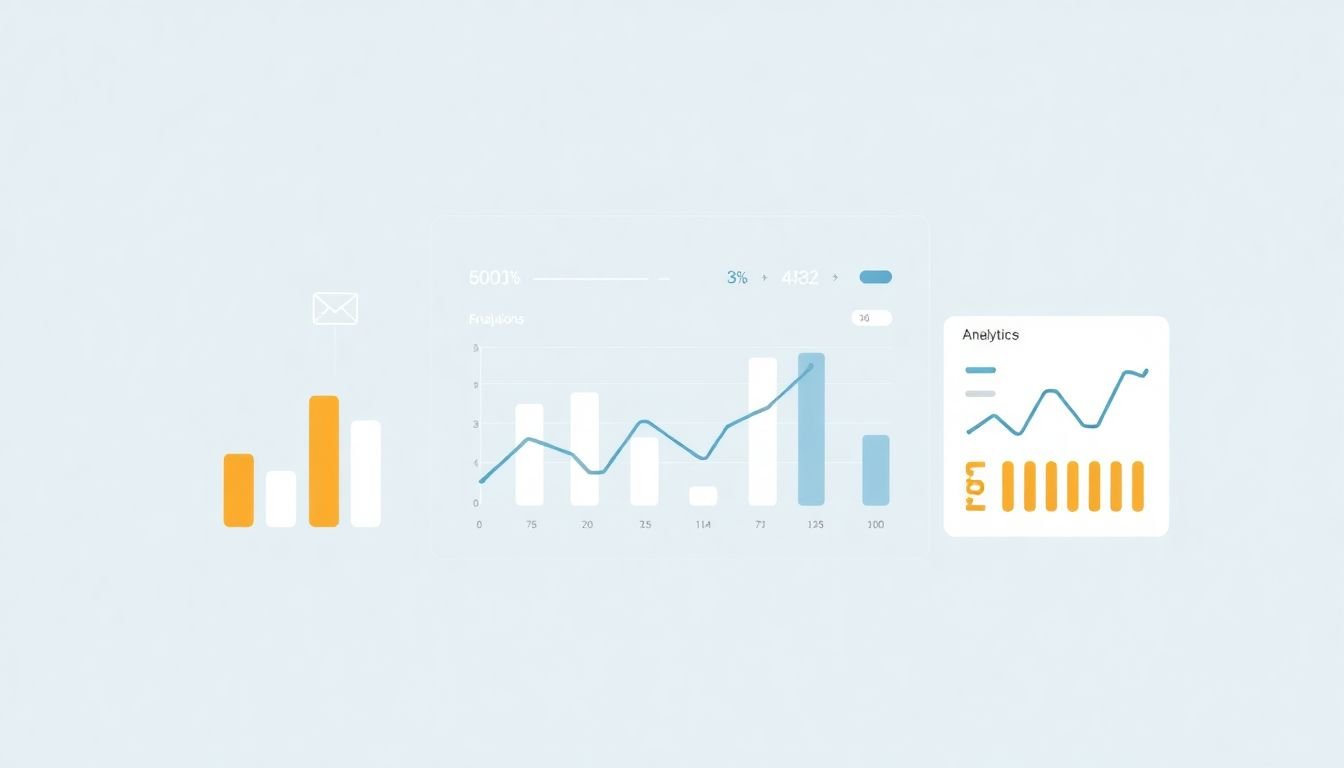
If you want monetization to feel predictable, analytics is non-negotiable. I’m not talking about staring at graphs for hours. I mean setting a weekly routine so you can answer: “What worked? What didn’t? What do we change next?”
Start with goals (not vibes):
- For sponsorships: CTR on sponsor links, conversions (sign-ups, purchases), and retention/engagement during the sponsored segment.
- For ads: RPM/CPM, ad CTR, and how often users leave after ads appear.
- For content: time on page, scroll depth, and drop-off points (especially around sponsored sections).
For websites, Google Analytics is a solid baseline for revenue attribution. For video and short-form, YouTube Studio and TikTok Analytics are where you’ll see retention patterns and audience drop-offs.
What I look at for ad placements (specific):
- Scroll depth thresholds: did people reach the mid-article unit? If 70% scroll to 25% but only 20% reach 60%, your mid-article placement might be too early.
- Heatmap “hot zones”: if clicks cluster on non-clickable elements near the ad, users are confused—move or resize the ad.
- Frequency/annoyance signals: if engagement tanks after adding ad units, it’s not a “small test.” It’s a UX problem.
If you use tools like Hotjar or Crazy Egg, don’t just collect heatmaps and hope. Use them to make one clear change. For example:
- Change ad unit size (smaller often helps on mobile)
- Move placement slightly lower on the page
- Adjust frequency (fewer units per session)
- Update CTA wording around the ad (so it matches the content context)
UTM tracking for sponsorship links: this is a small step that saves you later. Use consistent UTM naming so you can compare placements across content.
Example naming convention:
- utm_source = your channel/site name
- utm_medium = sponsorship
- utm_campaign = brandname_month_topic (ex: “acme_march_teaching”)
- utm_content = placement type (ex: “video_mid” or “blog_sidebar”)
One more thing: don’t treat conversion rates as universal truth. The earlier conversion-rate comparison mentioned in your draft (sponsored search vs display) is often reported across industries, but without context it’s easy to misapply. Instead, track your own numbers on your own traffic. If your sponsored placements aren’t converting, the fix might be the CTA, the landing page, or the audience targeting—not “ads are bad.”
Bottom line—check your metrics at least weekly. Then make one change at a time based on what the data actually says, not what you wish was true.
5. Gather Tips for Long-term Success
Monetizing isn’t a sprint. It’s more like a marathon where the winners keep adapting. What helped me most over time wasn’t “finding a new trick.” It was building systems: consistent outreach, consistent content, and consistent feedback loops.
Keep sponsor relationships warm: brands don’t just want a shout-out—they want proof it worked. In my experience, the difference between “one and done” and “we want to do this again” is simple: you communicate clearly and you share results.
Here’s what I’d send after a campaign (an anonymized example structure):
- Campaign summary: content delivered on (dates), format used (video/blog), and where the placement appeared.
- Performance snapshot: views/impressions, CTR on sponsor link, and any conversion tracking results (even if it’s “best effort”).
- Audience feedback: top comments/questions related to the sponsor message.
- What I’d improve next time: 2–3 concrete suggestions (ex: “move CTA earlier,” “try different creative angle,” “test a different landing page”).
Even if the numbers aren’t perfect, a thoughtful report builds trust. And trust leads to future deals—especially when budgets are tight.
Also, build an email list. Social platforms change, algorithms shift, and audiences move on. Email gives you a direct line. Then you can use it to drive readers back to value posts and to monetize with premium offers like selling online courses from your own website.
Feedback system (so you’re not guessing): every month, I’d do two things:
- One short survey: “Which posts felt most helpful?” “Which monetization felt least disruptive?” “What do you want next?”
- Comment + DM review: pull 10 recurring questions and use them to plan the next month’s content.
Then adjust monetization decisions based on the feedback. If people say “the sponsored part helped me pick the right tool,” keep it. If people say “too many ads in the middle,” reduce ad density or move units lower.
And yes—keep diversifying. Don’t depend only on sponsorships or only on ad revenue.
- Digital products (templates, guides, mini-courses)
- Affiliate marketing (only when it genuinely fits)
- Newsletters
- Live webinars
- Premium courses/masterclasses (where your expertise really shines)
If your content is educational, you can also use free resources to build momentum toward premium offers. For example, explore ideas around creating masterclasses online—free posts can naturally funnel readers into deeper paid learning.
One last reminder: prioritize audience engagement over short-term profit. Reply to comments. Ask for input. Make your monetization feel like a continuation of the value, not a detour.
FAQs
An effective sponsorship strategy starts with alignment: your audience should actually care about what the brand sells. From there, you package the deliverables clearly (where the sponsor shows up, how it’s presented, and what success looks like). The more believable the integration is within your content style, the more trust you’ll keep—and the more likely you are to get repeat deals.
Ad monetization is about placing ads where they fit the user journey and then measuring performance so you can improve over time. That means choosing the right ad formats, testing placements, and watching how ads affect engagement. If users bounce or retention drops after an ad change, it’s not a “revenue win”—it’s a UX problem you need to fix.
Balance comes down to pacing and audience expectations. Set a content plan (so sponsored content doesn’t stack too closely), and limit ad density so it doesn’t interrupt the reading/viewing experience. Then use retention, CTR, and feedback to adjust. If your audience reacts negatively, reduce frequency or improve creative—don’t just add more monetization.
Track metrics that connect monetization to audience behavior: CTR and conversions for sponsorships, RPM/CPM and ad CTR for ads, plus engagement and retention (where users drop off). Monitoring these regularly helps you spot what’s actually driving revenue and what’s just taking up space.