Voice Acting Workshops Via Zoom: How To Find The Right One
Plenty of people want to get into voice acting, but life gets in the way—work, school, family, all of it. So when Zoom workshops started popping up everywhere, I figured, “Okay… is this actually useful, or is it just another way to watch videos?”
In my experience, Zoom can work really well for voice acting—if the workshop is designed for real feedback and if you’re willing to prep like you would for an in-person class. Below, I’ll walk you through what I look for when choosing a Zoom voice acting workshop, what the sessions are usually like, and how to set yourself up so you don’t waste your money (or your time).
Key Takeaways
- Zoom voice acting workshops can be effective because you get live direction, breakout-room practice, and feedback—without commuting.
- Before you buy, check for specifics: the workshop format, how many feedback passes you’ll get, and whether they review your recordings (not just your “participation”).
- Most solid programs include warm-ups, acting exercises, script or scene practice, and homework recordings. Your mic + quiet space matter more than people think.
- Look for clear deliverables (for example: “submit 2 recordings per week” or “build a demo reel by the end of 4–6 weeks”).
- Technical problems happen—lag, echo, dropped audio—but you can reduce them with wired internet, a basic gain/levels check, and a consistent setup.
- Don’t rely on workshops alone. Pair them with targeted practice: scripts, dictionary work, voice warm-ups, and community feedback.
- Progress is realistic when you practice consistently and actually apply the feedback you receive. Quick results usually mean you’re putting in the work between sessions.
Voice Acting Workshops via Zoom: Your Best Options
If you’re trying to improve your voice acting skills without leaving home, Zoom can be a solid option. It’s easy to join, easy to share audio, and instructors can still run real-time exercises with breakout rooms and screen sharing. Zoom has become the default for a reason—when it’s set up correctly, you’re not just “watching.” You’re practicing.
That said, not every Zoom workshop is built the same. The biggest difference I’ve noticed between “meh” classes and genuinely helpful ones is feedback quality. Do they listen to recordings? Do they give specific notes (pace, breath, mic technique, character intent), or is it mostly general encouragement?
So, yes—Zoom can be effective. But it’s only as good as the structure behind it.
Top Voice Acting Workshops Available on Zoom
When you’re comparing options, I’d start with the “big buckets”: (1) beginner-friendly workshop platforms, (2) coaching communities, and (3) private or small-group instruction.
Here are some places people commonly use, plus how I’d think about them:
- CreateAICourse (via course hosting/comparison resources): good for exploring structured course formats and how they’re organized before you commit. If you like a clear syllabus, this tends to appeal to you.
- Udemy: often more affordable and beginner-focused. Just make sure the class isn’t “video-only” if you specifically want live Zoom feedback.
- Voices.com and Edge Studio: generally more mentorship-leaning. If your goal is audition readiness (not just acting practice), you’ll want something that covers direction, self-tape habits, and performance adjustments.
- Independent coaches: small groups or 1:1 sessions can be great because your feedback is more direct. The tradeoff is cost and sometimes fewer “peer practice” opportunities.
If you’re trying to decide quickly, use this checklist instead of relying on branding:
- Format: live lessons + submitted recordings, or just live discussion?
- Feedback frequency: Do you get feedback every session, weekly, or “as time allows”?
- Deliverables: Are you building a demo reel, or just doing exercises?
- Audio expectations: Do they specify mic type, recording settings, and file format?
- Refund/cancellation: What happens if you miss a session or the class runs poorly?
And here’s the honest part: prices vary a lot depending on whether you’re getting group coaching, recorded feedback, or private sessions. If a workshop is cheap but doesn’t include recording review, you’ll likely do more self-teaching than you expect.
Quick comparison (what to look for):
- Beginner Zoom workshops (Udemy-style live sessions): usually 1–4 weeks, 30–90 minutes per session, larger group sizes. Feedback is often lighter unless they explicitly review your audio.
- Structured mentorship programs (coaching platforms/studios): often 4–8 weeks, smaller groups, and more consistent recording review. Expect notes on performance choices, not just “try different voices.”
- Private/small group coaching: 1–2 sessions per week or biweekly. Higher cost, but you’ll get the most actionable feedback because the coach can correct your technique faster.
What to Expect from Online Voice Acting Workshops via Zoom
When you join a good Zoom voice acting workshop, it shouldn’t feel like a webinar. It should feel like you’re in class—even if everyone’s at home.
In the workshops I’ve attended (and the ones I’ve coached people through preparing for), the structure usually looks something like this:
- Warm-up (5–15 minutes): breath work, articulation, resonance exercises, or “reset” drills for consistency.
- Technique instruction (10–25 minutes): pacing, emphasis, character objectives, or mic technique (gain, distance, handling plosives).
- Acting practice (20–40 minutes): you perform a short scene or audition-style sides while the instructor directs in real time.
- Recording + playback (10–20 minutes): you read/perform, then you listen back and get specific notes.
- Breakout room practice (optional but common): you rehearse with peers and do quick “takes” to build confidence.
- Homework (almost always): typically 1–3 recordings per week or a script practice goal before the next session.
What about timelines? Most workshops that actually move the needle run 4–6 weeks (sometimes longer). If it’s only one weekend, you can absolutely learn basics—but don’t expect a polished demo reel unless the workshop explicitly includes a reel-building plan.
Also, don’t underestimate the “on-air studio” part. If your audio is distorted or too quiet, the instructor can’t hear the nuance. That’s not your fault—it’s just how feedback works. In my experience, workshops get dramatically better once you treat your setup like a mini recording booth.
Tips for Making the Most of Zoom Voice Acting Workshops
Joining is step one. Getting real results is step two. Here’s what I do (and what I recommend) to make Zoom workshops actually stick:
- Set goals that match the workshop: Don’t just say “get better.” For example: “I want to improve my character intent in 30–60 seconds,” or “I want cleaner mic technique (less popping, better distance).”
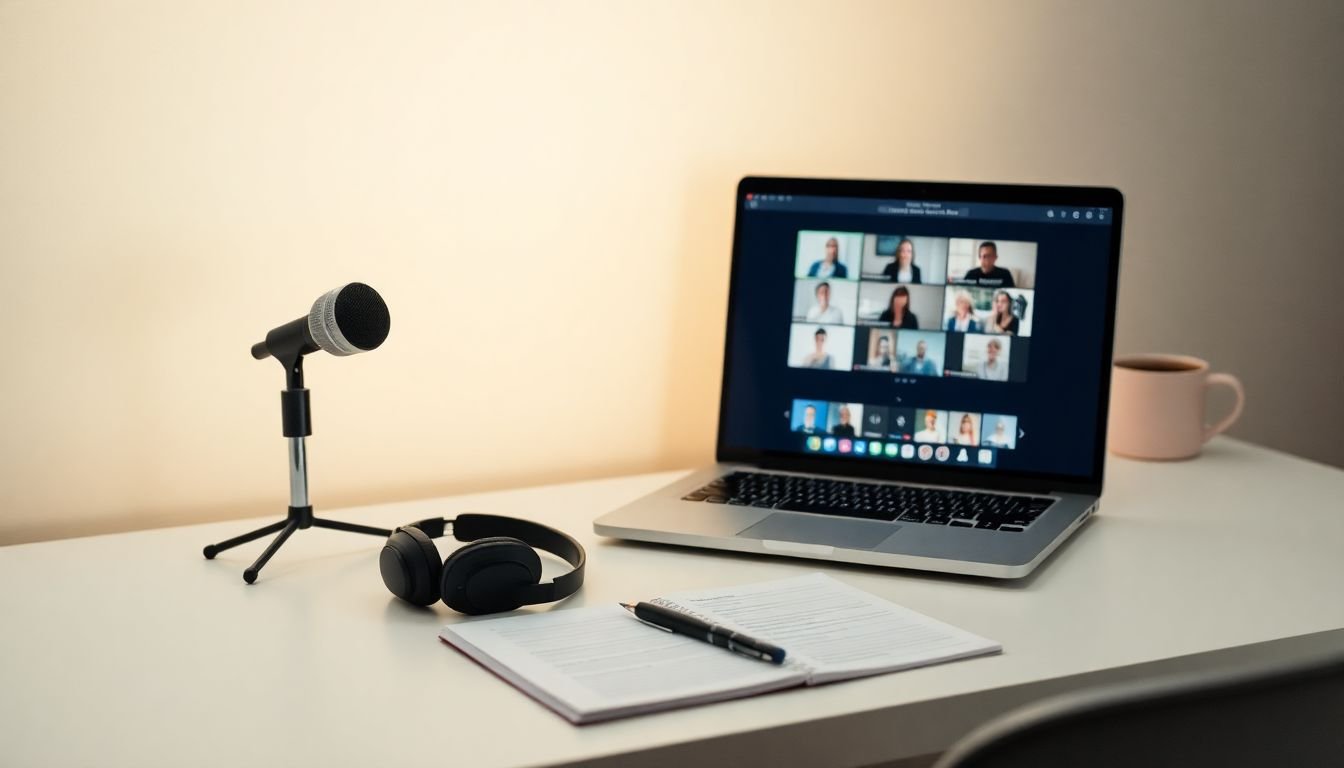
- Do a 10-minute equipment test before day one: Check levels, record one take, listen for clipping, and make sure your voice isn’t too boomy or too thin.
- Pick a consistent recording spot: Same chair, same distance, same angle. If you change where you sit every time, your feedback will feel inconsistent.
- Take notes like a director is watching you: Write down the exact adjustments you were told (for example: “slow down 10%,” “breathe before the punchline,” “lift vowel shapes,” “reduce mouth clicks”).
- Implement feedback immediately: If the instructor says your pace is rushed, don’t wait until next week. Re-read the same line right after the note.
- Use breakout rooms for “safe takes”: Breakouts are where you can try different choices without feeling like you’re on trial. Take advantage of that.
- Ask specific questions: Instead of “How do I improve?” try: “What should I emphasize on line 3?” or “Should I play this as playful or frustrated?”
- Record homework in the same format they request: If they ask for WAV/MP3, follow it. If they want a certain length, don’t wing it.
One more thing: if the workshop doesn’t encourage recording (or doesn’t review your recordings), that’s a red flag for me. Voice acting is performance. You need playback to grow.
Common Challenges in Online Voice Acting Workshops and How to Overcome Them
Zoom is convenient, but it comes with its own problems. Here are the issues I see most often, plus what actually helps:
- Audio quality (echo, hiss, distortion): A decent mic and basic room control make a huge difference. Even a simple blanket “cloud” behind you can cut reflections.
- Lag or dropped audio: If you can, use wired internet. If you can’t, close other bandwidth-heavy apps before class.
- Mic placement inconsistency: Keep a consistent distance from the mic (most people end up too close and then wonder why everything sounds harsh).
- Home distractions: Set boundaries. A “Do Not Disturb” message or a simple note to housemates is surprisingly effective.
- Motivation dips between sessions: Instead of trying to practice for hours, do shorter sessions more often—like 15–20 minutes, 4–5 days a week.
- Burnout from too much self-criticism: If you’re stuck, it’s okay to step back. I usually recommend one week focused on warm-ups + one targeted exercise rather than forcing full scenes.
Additional Resources to Enhance Your Voice Acting Skills
Workshops are great, but they’re not the whole journey. If you want to speed things up, pair them with resources that improve your daily practice.
- Voice acting dictionaries: Useful for pronunciation, stress, and learning how to read unfamiliar words. Start here: voice acting dictionaries.
- Daily read-aloud practice: Pick something with different pacing (audiobooks, plays, even podcasts). Read for clarity first, then add character after.
- Mic technique + placement: If you don’t know where your voice sits in the mic, you can’t control the recording. Check out voice-over technique for practical guidance.
- Community feedback: Joining online voice acting communities helps you hear yourself through other people’s ears—especially when you’re stuck.
- Consistent milestones: Track progress with simple benchmarks, like: “I can perform this audition side with three distinct emotions,” or “my recordings peak around -6 dB without clipping.”
Real-Life Success Stories from Zoom Voice Acting Students
Success stories are motivating, but I also want them to be believable. Here’s the kind of outcome I’ve seen from students who really commit to the process:
- After 6–10 weeks of weekly practice (plus submitting recordings), some students improved their audition consistency enough to land their first paid gigs—often small indie projects first.
- People who built demo reels during workshops tended to move faster in auditions because they had performance samples ready instead of starting from scratch.
- Students who asked for specific feedback (pace, emphasis, emotional intent, mic distance) typically reported faster improvement than those who only focused on “trying voices.”
One realistic pattern I noticed: the “quick progress” usually comes from a combination of (1) consistent practice, (2) feedback you can act on immediately, and (3) a workshop that teaches audition workflow—not just acting theory.
And yes, remote learning is genuinely convenient. You can keep your routine and still get coaching. That matters when you’re balancing everything else in life.
FAQs
Most workshops include live warm-ups, acting exercises, and performance practice with feedback. The best ones also have you record takes (either during class or as homework) and then review your audio so you can hear what’s working and what needs adjusting.
I’d focus on specifics: whether they provide scripts/sides, how many recordings you submit, and how often you get feedback. Also check instructor experience and what they actually teach (audition technique, self-tape workflow, character acting, mic technique). If the curriculum is vague, ask for a sample lesson plan.
At minimum: test your mic and internet, set up a quiet space, and review any materials provided ahead of time. If you can, do a short practice recording before the session so you’re not scrambling to fix levels mid-class. Treat it like an audition—same setup, same distance, and a quick listen-back.
This varies, but a strong workshop will tell you upfront. In my experience, you should aim for at least one “actionable” feedback pass (notes you can apply right away). If they only do general comments or feedback “depending on time,” ask how they handle recording review when the group is large.
Good workshops usually provide sides/scripts (or clear guidance on what to use). If they don’t, it’s worth asking. For beginners especially, having the right material saves time and helps you practice the specific skills the instructor is teaching.
Look for workshops that state expectations clearly—mic type isn’t always required, but they should specify recording quality requirements, typical distance, and how to submit files (MP3/WAV, length, naming). If they don’t specify anything, you’ll end up guessing, and that makes feedback harder to apply.
Always check the fine print. Some workshops offer recordings of sessions, others don’t. If you can’t attend one week, ask whether you can submit homework asynchronously and still get feedback.