Urban Gardening Micro-Courses: 6 Simple Steps to Grow Your Skills
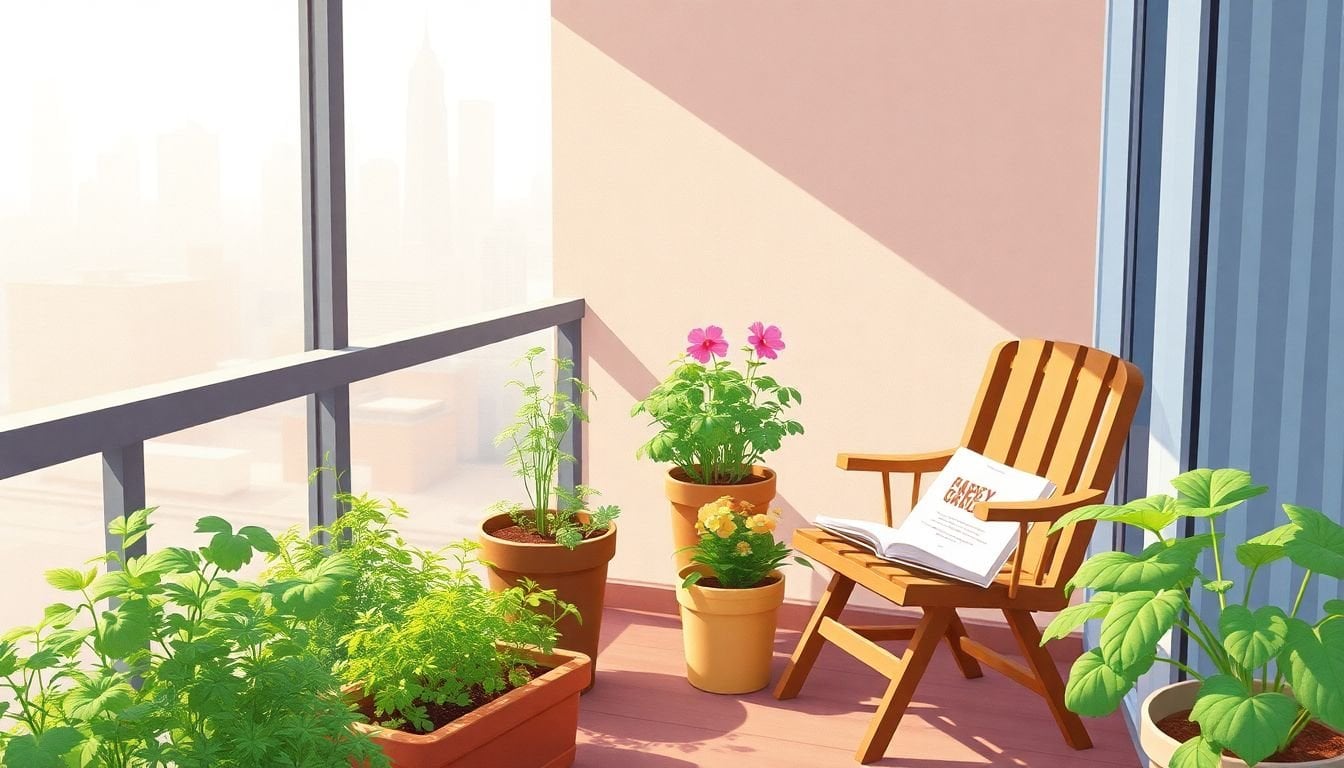
Urban gardening sounded great to me—until I looked at my balcony and realized I didn’t have “yard” energy. I had a few planters, spotty sun, and zero patience for trial-and-error that turns into dead plants. That’s why I started hunting for urban gardening micro-courses: short classes I could actually finish, then apply the same week.
In my experience, the best micro-courses don’t just talk about “growing plants.” They get specific—container sizing, soil mix, watering rhythms, and what to plant when your space is small and your light is inconsistent. If you want a practical path (not a 6-month commitment), keep reading. I’ll walk you through what micro-courses are, where to find good ones, and how to pick the right class for your setup.
Key Takeaways
- Micro-courses are short, focused lessons (often 30–90 minutes each) that teach urban gardening basics you can use immediately.
- Look for coverage of container planting, soil prep, drainage, pest management, and plant selection for limited light.
- Many micro-courses are online, but local in-person options are great if you want hands-on feedback.
- The best courses match your constraints (sun hours, container size, climate, and whether you want herbs, greens, or fruiting plants).
- Some programs go beyond hobby gardening and cover pricing, selling, and basic business planning for small urban growers.
- Even small gardens can support city goals like heat reduction and biodiversity—especially when neighbors coordinate plantings.
- You’ll get more value when you take multiple micro-courses in a sequence (setup → planting → maintenance → pest control).
- To actually succeed, practice on a small “test bed” first, track what happens, and adjust your watering and light.
1. Understand What Urban Gardening Micro-Courses Are
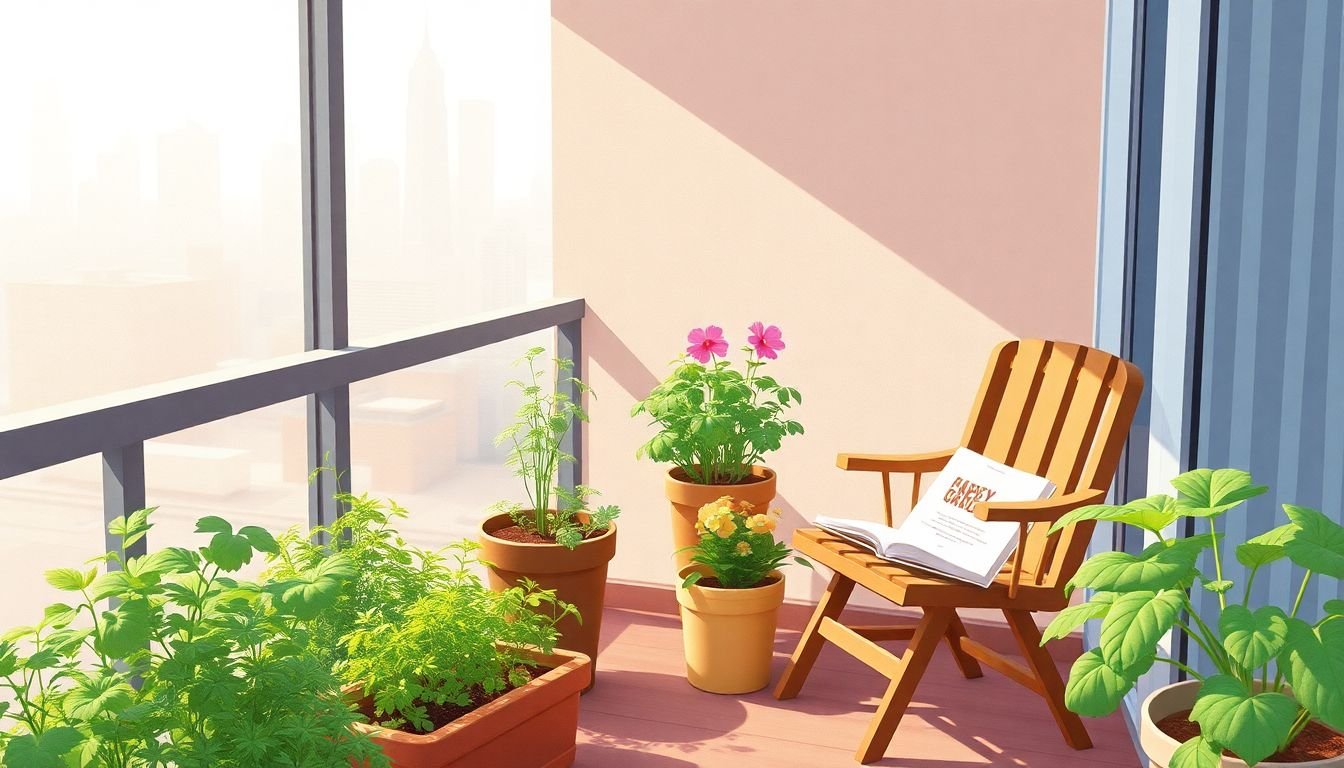
Urban gardening micro-courses are short, focused classes built for real city constraints: limited light, limited container size, and schedules that don’t allow a “weekend-only” hobby. Most of them are broken into small lessons—think 20–45 minutes—so you can learn, do the task, and come back for the next step.
In practice, the good ones cover things like:
- Container planting (what size pot to use, drainage requirements, and how to avoid soggy roots)
- Soil prep (basic mix components, how to refresh soil, and what not to overdo)
- Plant selection (herbs vs. leafy greens vs. fruiting plants—based on your sun)
- Pest management (organic-first approaches that actually work in enclosed spaces)
I’ve taken a few “beginner gardening” courses that were fine—but they didn’t answer the questions I had on day one. Micro-courses usually do. They’ll tell you, for example, what to do when your basil keeps wilting (spoiler: it’s often inconsistent watering + too-small pots + heat stress).
And yes, there’s a career angle too. If you’re curious about where skills like this can lead, the U.S. Bureau of Labor Statistics tracks employment trends across related roles (like agricultural workers and landscaping). You can browse BLS data here: https://www.bls.gov/. (I’m intentionally not repeating a single “18% by 2025” number here because those projections vary by occupation and source.)
If you’re also wondering whether you can create your own course, createaicourse.com breaks down what you need to get started.
2. Discover Top Urban Gardening Micro-Courses
Let me be honest: “top courses” lists online can be a little lazy. A lot of them mention big platforms without naming anything you can actually click. So here’s how I approach this section—what I look for, what I’ve found useful, and what to search for so you don’t waste time.
What I look for in a good micro-course (quick checklist)
- Specifics: container size guidance, soil mix components, watering frequency ranges, and light requirements.
- City-realistic scenarios: rooftop wind, balcony heat, partial shade, and container drying out fast.
- Action steps: “Do this today” tasks, not just theory.
- Local relevance: references to climate zones or at least “cool season vs warm season” planning.
- Honest limitations: what you can’t grow in low light or what crops are slow in certain seasons.
Courses and programs worth checking (by category)
Because course catalogs change a lot, I’m not going to pretend every single micro-course is still exactly the same. Instead, I’m pointing you to reliable course types and where to find them, plus the kinds of lessons you should expect.
1) Container gardening + balcony basics (best for true beginners)
Search for micro-lessons that include terms like “container gardening”, “balcony herbs”, and “small space vegetables”. On platforms like Udemy, Coursera, and Skillshare, you’ll often find beginner-friendly modules that are short and practical.
What to verify before you buy: Does it cover drainage holes, pot size, and a watering routine? If the course only shows “pretty balcony setups” but doesn’t explain soil and watering, skip it.
2) Soil and drainage (the boring topic that saves your plants)
This is the one I wish I’d studied earlier. Most “my plants died” stories are really “my soil stayed wet too long” or “my pot was too small.” Look for micro-courses that teach:
- how to build a well-draining container mix
- how to refresh soil mid-season
- how to tell if you watered enough (not just “I watered once”)
If you want a lesson-planning mindset for building your own course later, createaicourse.com is a good resource.
3) Pest management for small spaces (where organic methods actually matter)
In tight urban setups, pests spread faster. I’ve dealt with aphids on herbs and fungus gnats in indoor seedlings—both improved a lot once I learned what to do early.
Search for micro-courses that include:
- IPM (integrated pest management)
- how to inspect plants (undersides of leaves, stems, soil surface)
- sticky traps, neem/soap options, and when to remove affected leaves
Tip: If a course recommends a “one-size-fits-all spray” without teaching prevention, it’s probably not as helpful as it sounds.
4) Rooftop gardening and wind management (for high, exposed spaces)
If your rooftop gets strong wind, you’ll notice containers dry out faster and plants struggle to hold leaves. A rooftop-focused micro-course should cover:
- container anchoring and stability
- wind-tolerant crops
- watering adjustments in hot/windy weeks
5) Crop planning for limited light (the “how do I choose plants?” lesson)
This one matters more than people think. A course should help you translate sun hours into crop choices. Here’s a rule I use:
- Less than 4 hours of direct sun: start with leafy greens (lettuce, spinach), herbs that tolerate shade (like mint in containers), and experiment with microgreens.
- 4–6 hours: you can grow more herbs and some salad plants; tomatoes and peppers may need careful placement.
- 6+ hours: you can include more fruiting plants, but plan for heat and consistent watering.
Local programs (what to search in your city)
For in-person learning, I recommend searching your city’s name + “urban agriculture training” or “community garden workshops.” In the U.S., programs often run through community garden networks, city sustainability offices, and local extension-style education partners.
If you want a starting point for the “community garden” angle, check out the national community garden movement through https://www.communitygarden.org/ (they can help you find local resources and training opportunities).
And for course ideas around teaching and sharing, createaicourse.com/lesson-writing/ is handy when you want to structure your own micro-course lessons later.
3. Learn What You Will Gain from These Micro-Courses
After taking micro-courses, the biggest difference I noticed wasn’t “more knowledge.” It was fewer mistakes. When you learn the right sequence, you stop wasting weeks.
What you’ll actually get (in a practical order)
- A setup plan you can follow: what to buy, what to skip, and how to avoid overcomplicated systems.
- Better plant choices: matching crops to your light and container size so you’re not fighting the environment.
- Soil + watering confidence: knowing when to water, how to check moisture, and why drainage matters more than fertilizer at the start.
- Pest awareness: early detection habits (and a calmer response when something goes wrong).
- Seasonal timing: understanding cool-season vs warm-season planting so you harvest more and replant faster.
My quick “what changed for me” example
I used to treat watering like a schedule: “every Tuesday, same amount.” Micro-courses taught me to treat it like a feedback loop. I started checking the top 1–2 inches of soil before watering, and I sized my pots up for herbs. My basil stopped collapsing after hot days, and I stopped losing seedlings to consistently wet soil.
Was it perfect? No. I still killed a batch of lettuces once—because I ignored the light shift when the sun angle changed. But after that, I began keeping a simple note: date planted, sun location, watering check results, and what I harvested. That tiny habit made the next round dramatically easier.
If you’re curious about lesson structure (so you can teach what you learned or just organize your own practice), createaicourse.com/what-is-lesson-preparation/ helps you think through the steps.
7. How Urban Gardening Micro-Courses Support Local Economies
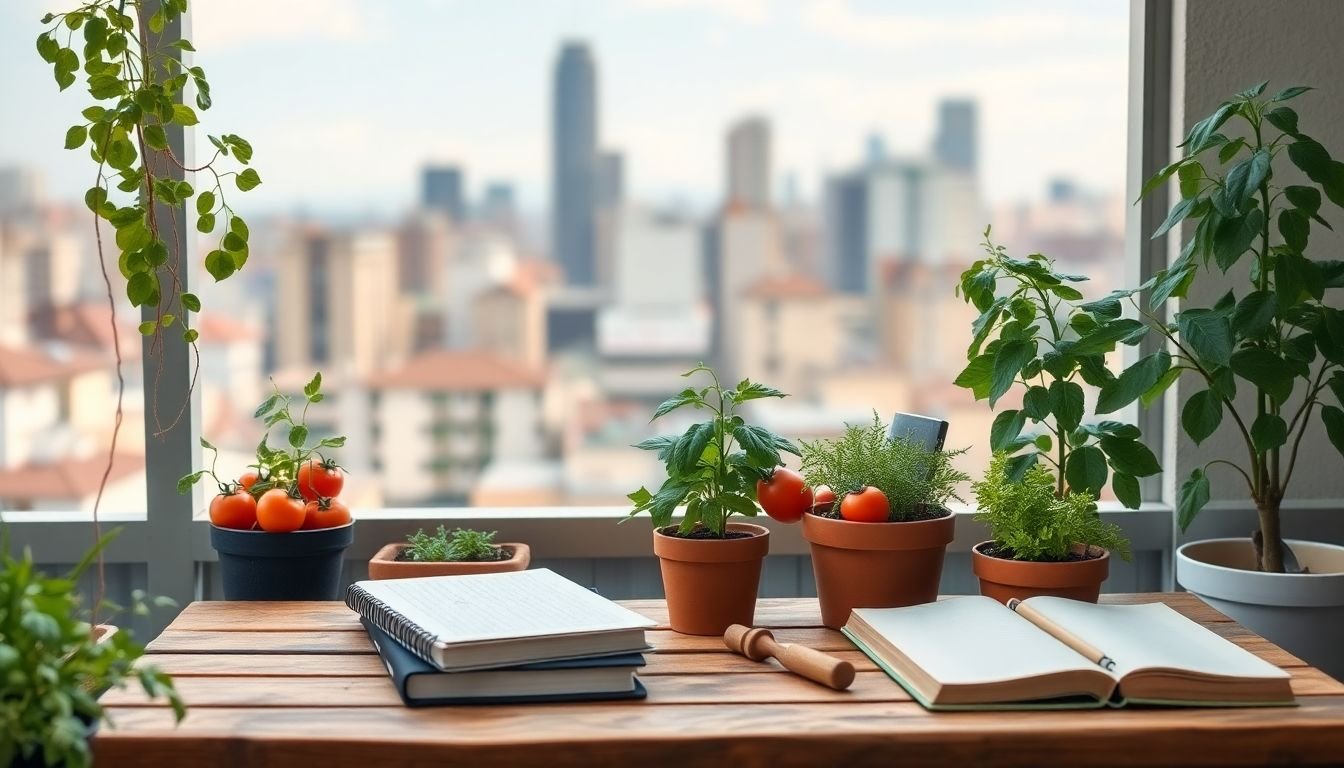
Urban gardening micro-courses aren’t just “grow food.” They can also help people earn money—especially when courses include practical business basics.
In my area, I’ve seen training programs offered through community organizations that focus on a few repeatable skills:
- Pricing produce (so you’re not undercharging)
- Harvest and packaging (what sells and what spoils fast)
- Marketing basics (simple signage, neighborhood sales, repeat customers)
- Sales channels (farmers markets, CSA-style bundles, local drop-offs)
What’s real here is that micro-courses fit how people actually learn when they’re busy. You can take a short lesson on pricing, then apply it immediately to your next harvest.
If you’re looking for ways to connect learning with income, focus on programs that include networking or resources—not just plant-growing content. And if you want to create content that teaches those steps, createaicourse.com/can-anyone-create-a-course/ can help you think through how you’d structure your own training.
8. The Role of Micro-Gardens in City-Wide Sustainability Efforts
Small gardens really do add up. Even when your plot is just a few containers, it can contribute to city sustainability goals like heat reduction and habitat support.
Here’s what I’ve noticed in neighborhoods that take micro-gardening seriously:
- Less heat stress around buildings when plants and shade increase
- More pollinators when people plant a mix of flowering herbs and greens
- Better community engagement when neighbors share seedlings, tips, and watering schedules
If you want to see broader sustainability framing, look for research and city resources on urban heat island mitigation and urban greening. A good starting point is the U.S. EPA heat island resources—it’s not “micro-gardens only,” but it connects greening efforts to measurable outcomes.
And if you’re trying to evaluate which cities are doing well with urban agriculture training and access, use multiple sources: city sustainability pages, university extension programs, and community garden networks. Rankings can be useful, but you’ll get a clearer picture when you check what’s actually offered locally.
9. The Future of Urban Gardening Micro-Courses in 2025 and Beyond
Micro-courses are only going to get more practical. What I expect (and what I’ve already started seeing) is:
- More modular learning: short lessons that stack into a full “grower path” (setup → planting → maintenance → troubleshooting).
- More climate-specific guidance: not just “plant tomatoes,” but “here’s what to do in hotter weeks” or “here’s how to extend harvests in cooler seasons.”
- More credential-style options: certificates or skill badges tied to specific competencies (like container systems or integrated pest management).
- More interactive formats: downloadable checklists, quizzes, and feedback loops rather than passive video watching.
If you’re curious about learning and earning, createaicourse.com/learn-and-earn-money/ is a useful read for thinking through how education can turn into income—either by selling crops or by teaching what you know.
10. Final Tips for Making the Most of Urban Gardening Micro-Courses
If you want these courses to actually change your results, here’s what I recommend based on what helped me:
- Start small: run one container “test” before you commit to a whole balcony.
- Pick the right sequence: setup/soil first, then planting, then maintenance, then pest troubleshooting.
- Match crops to your light: don’t force tomatoes into a low-sun spot and call it a “learning experience.”
- Use a simple log: date planted, sun exposure, watering check, and harvest notes. It’s boring—but it works.
- Ask for feedback: if the course has an instructor Q&A or community, use it early—before problems become disasters.
- Don’t over-fertilize: in containers, it’s easy to push growth that weakens plants. Follow the course guidance and adjust slowly.
And if you ever decide to share your own approach, use createaicourse.com/can-anyone-create-a-course/ to map out your first micro-course idea. The best lessons usually come from one specific problem you solved.
FAQs
Urban gardening micro-courses are short, focused classes that teach practical skills for growing plants and vegetables in small city spaces like balconies, rooftops, and community gardens.
Start with your goals (herbs, greens, or fruiting plants), then match the course to your space and schedule. I’d also scan for details on drainage, light requirements, and watering guidance—those are the difference-makers in containers.
Most micro-courses cover soil preparation, container gardening basics, plant selection for small spaces, pest management, and practical tips for maximizing yields in limited light.