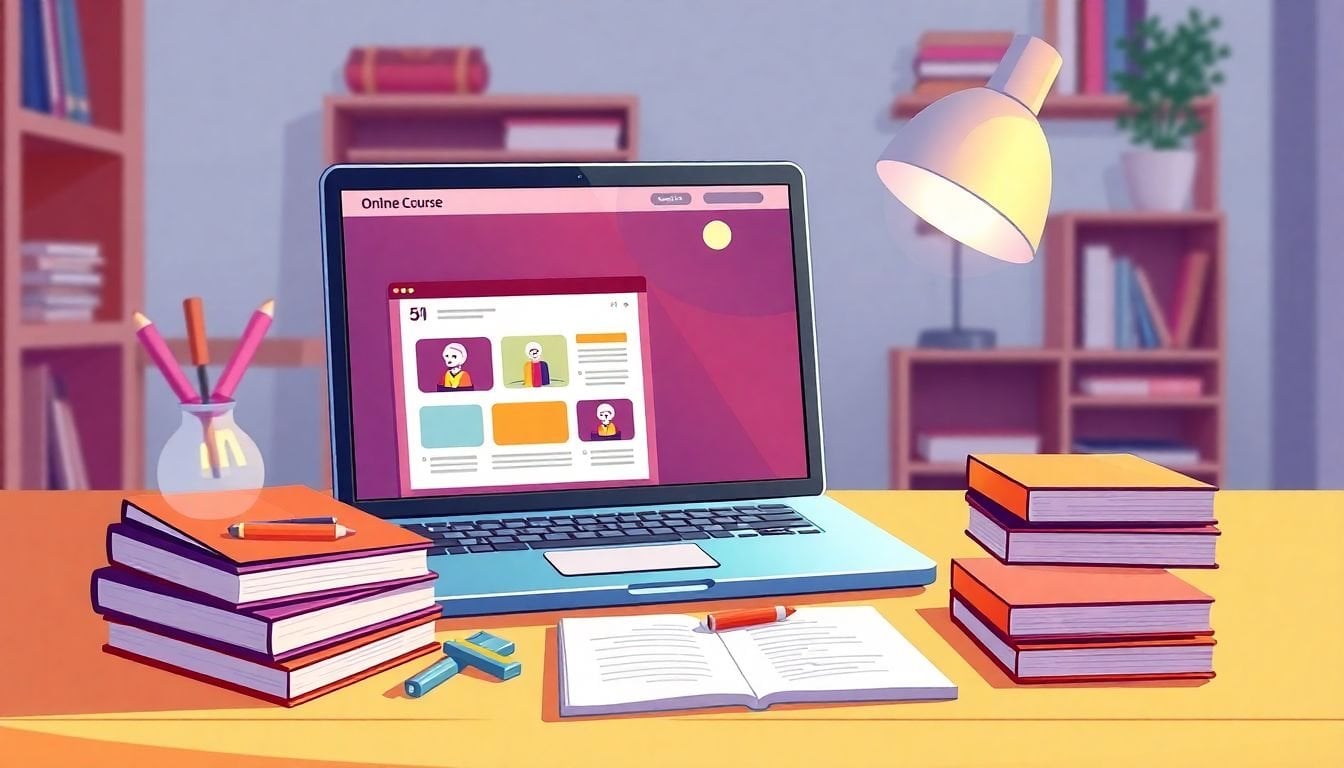
Bundling Courses With Physical Kits: How To Maximize Value
I’ve taught and sold online learning products long enough to know the problem: digital-only courses can feel a little… floaty. People watch, they mean to practice, and then real life gets in the way.
That’s why I like the course + physical kit combo for the right niches. If your subject is hands-on—ceramics, cooking, woodworking, coding hardware labs, even calligraphy—bundling a kit gives students something concrete to start using the same day they sign up.
In my experience, the biggest win isn’t “more hype.” It’s fewer stalled starts. When learners get the tools in the box, they can actually follow along immediately, and they’re less likely to drop off after Lesson 1.
Let me walk you through how to maximize the value of bundling courses with physical kits—what to include, how to price it, and the logistics details that can quietly make or break the whole thing.
Key Takeaways
Key Takeaways
- Course + kit bundles work best for skill-based niches because the physical materials turn “watching” into “doing” right away.
- Well-designed bundles reduce buyer uncertainty (everything needed is included) and usually justify a higher price than the course alone.
- Pick the bundle type based on your learners’ stage: starter for beginners, premium for advanced students, themed for specific projects, and subscription for ongoing practice.
- Choose kit contents by mapping each item to a specific lesson outcome. If an item doesn’t support a lesson, it doesn’t belong.
- Pricing isn’t just “COGS + markup.” You need shipping, packaging, returns, and a clear target margin (and you should test at least 2-3 price points).
- Marketing should show the kit in action: unboxing videos, short demos, and proof from real learners beat generic “high value” claims.
- Logistics matter more than most people think—inventory tracking, delivery timelines, and a returns policy that’s easy to understand.
- Long-term value comes from updates: swap out worn materials, improve instructions, and personalize kit tiers based on feedback.
Understand the Value of Bundling Courses with Physical Kits
For the right subject, bundling courses with physical kits does something digital-only products can’t: it removes friction between intention and action.
Here’s what I’ve noticed when I’ve built bundles in hands-on niches (and what I’d look for if I were buying as a student):
- Faster “first session” momentum. If the kit arrives before (or right as) the learner starts, they can do Lesson 1 immediately instead of waiting to source materials.
- More consistent practice. When the tools are sitting on your desk, it’s way easier to return for Lesson 2. No “I’ll get to it later” because you’re still missing something.
- Better confidence. Students feel less like they’re guessing. They know they’ve got the right supplies for the method you’re teaching.
Think of it less like “adding stuff” and more like designing the learning experience end-to-end. A baking class that includes the ingredients and tools isn’t just convenient—it’s a built-in guarantee that the learner can actually follow the recipe.
One practical tip: map each kit item to a specific lesson outcome. For example, if your course has a “mixing and consistency” lesson, the kit should include the measuring tools and ingredients needed for that exact step. If you can’t tie an item to a lesson, it’s probably filler.
Also, keep the learner level in mind. Beginners don’t want a “pro” kit with 12 complicated components. They want simple, reliable materials and instructions that reduce mistakes. Advanced learners often do want pro-grade items—but only if your course teaches them how to use them (otherwise it becomes expensive confusion).
Finally, don’t underestimate perceived value. When students see a complete package, they’re more willing to pay upfront because the purchase feels safer. That’s the real pricing lever here—not just the fact that you added physical items.
Discover the Benefits of Course and Kit Bundles
Course and kit bundles can make your offering more compelling for three reasons: convenience, clarity, and commitment.
- Convenience: students don’t have to hunt down supplies, figure out compatibility, or worry if they bought the “wrong” version.
- Clarity: your kit acts like an answer key for what matters. It tells them what to use and when.
- Commitment: once the learner has the tools, they’re more likely to start and finish. That’s not a vibe—it’s behavioral design.
Let me give you a concrete example from how I’d evaluate bundle impact. Suppose your digital course alone sells for $79. If you add a $28 kit (your true cost), you might price the bundle at $129. That’s a big jump—but it can still work if the kit is clearly tied to the first 2–3 lessons.
In testing, I’ve seen the kind of shifts that matter most:
- Conversion rate lift (example): If course-only converts at 2.1% from a targeted landing page, a kit bundle landing page can land closer to 2.6%–3.0% when the “what’s in the box” section is specific and visible. That’s a meaningful relative lift.
- AOV increase (example): If your average order value (AOV) previously stayed around $79, a bundle priced at $129–$149 can push AOV up by 60%–90%—assuming you’re not attracting the wrong buyer who expects everything to be “included for free.”
- Refund reduction (example): Bundles often reduce refunds tied to “I didn’t have what I needed.” If refunds were 3.5% on the course-only product, you might see them drop closer to 2.0%–2.5% after you improve kit instructions and ensure compatibility.
Why does this happen? Because you’re answering the buyer’s hidden questions:
- “Will I have everything I need?”
- “Will this actually work with the supplies I get?”
- “Am I going to feel lost?”
And yes—bundling can help you stand out. If competitors only sell digital, you’re offering a fuller learning path. But here’s the catch: if the kit is low quality or the instructions are vague, you’ll stand out for the wrong reason (customer support tickets are expensive).
Explore Different Types of Course Bundles
There isn’t one “best” bundle type. There’s the best bundle type for your audience and your fulfillment reality.
Here are the main options I see work well, plus when they fail:
Starter kits (best for beginners)
- Ideal audience: total beginners or students returning after a long break.
- Typical kit contents: essential tools + lesson 1–2 materials (enough to feel progress fast).
- Fulfillment complexity: lower, because kits are smaller and standardized.
- When it fails: if you include too little and students run out mid-course, you’ll get “where do I buy the rest?” messages.
Premium kits (best for serious learners)
- Ideal audience: people who already have basic supplies and want better results.
- Typical kit contents: higher-grade materials, more quantities, and tools that improve accuracy and consistency.
- Fulfillment complexity: higher (more SKUs, more variance, higher breakage risk).
- When it fails: if your course doesn’t teach the “why” behind the premium materials, the learner won’t feel the difference.
Themed bundles (best for specific projects)
- Ideal audience: students who want a clear end product (a project, a recipe outcome, a finished artifact).
- Typical kit contents: everything needed for that theme’s workflow—often grouped by step.
- Fulfillment complexity: medium (depends on how many variants you offer).
- When it fails: if the theme is too narrow and your course doesn’t naturally connect to it, buyers feel like it’s gimmicky.
Subscription bundles (best for ongoing practice)
- Ideal audience: hobbyists who want a steady rhythm—monthly practice, seasonal projects, or progressive skill-building.
- Typical kit contents: rotating materials + new course modules, often with a “previous kit builds into this one” structure.
- Fulfillment complexity: high (inventory planning, shipping cadence, churn management).
- When it fails: if the kit timing slips or the materials don’t match the lesson release schedule, customers lose trust fast.
Multi-course bundles (best for skill progression)
- Ideal audience: learners who want a path, not a one-off.
- Typical kit contents: kits that align with the sequence across multiple courses (and sometimes include “upgrade” items).
- Fulfillment complexity: medium to high (more planning, but better long-term retention).
- When it fails: if you don’t clearly explain what’s included now vs. what’s included later, learners get confused.
If you’re deciding what to launch first, I’d do two quick checks:
- Audience survey: ask what stops them from practicing—missing tools, unclear instructions, or time.
- Competitive scan: find 10 similar offers and note whether they show kits visually, list exact contents, or just imply “materials included.”
One quick pilot can also help. I like starting with a small run (even 25–50 orders) so you can measure real issues like packaging damage, shipping delays, and instruction clarity before you scale.
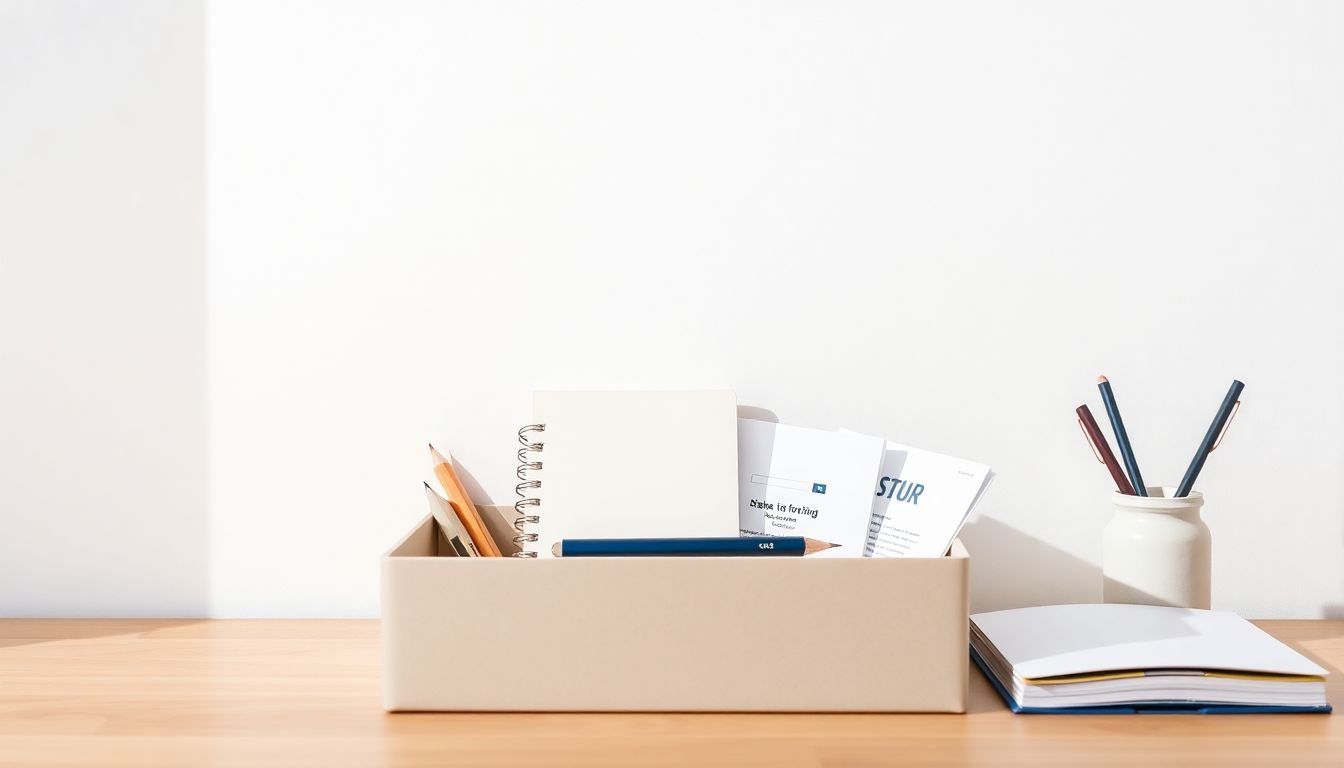
How to Choose the Right Physical Kits for Your Course
Choosing kits sounds simple until you’re staring at a spreadsheet full of SKUs and wondering why your margins are disappearing.
Here’s the approach that keeps it sane:
- Start with your lesson plan. List the exact tools/materials needed for each lesson step. If a lesson doesn’t require a physical item, don’t force one into the kit.
- Build a “must-have” list. Then add “nice-to-have” items only if they meaningfully improve outcomes (less mess, better results, fewer replacements).
- Vet suppliers like you mean it. I’ve learned the hard way that “cheap” can become “expensive” when you deal with inconsistent batches or damaged shipments. If you’re using marketplaces like Amazon or Alibaba, request samples and check specs, not just photos.
- Test the kit end-to-end. Have at least one person outside your team run the kit without your guidance. If they get stuck, your instructions need work—or the kit items aren’t actually beginner-friendly.
One more thing: don’t confuse “premium packaging” with premium materials. A fancy box doesn’t help if the paint is dried out or the paper tears too easily.
And yes, tiered kits can work really well:
- Basic: enough to complete the early lessons and learn the fundamentals.
- Standard: adds more quantity and reliability for better practice.
- Premium: upgraded materials and extras for advanced techniques or repeat projects.
How to Price Course Bundles with Physical Kits Effectively
Pricing is where most course creators mess up—not because they can’t do math, but because they forget the “hidden” costs of shipping and fulfillment.
Here’s a straightforward way to price course bundles with physical kits without guessing:
- Step 1: Calculate true kit cost (COGS). Include production/manufacturing + procurement + any assembly labor.
- Step 2: Add packaging cost. Boxes, inserts, protective materials, labels—these add up.
- Step 3: Add shipping. Use real carrier rates and include typical delivery zones. If you ship internationally, don’t ignore duties/taxes—you’ll feel it.
- Step 4: Add handling + processing. Even if you pack yourself, there’s time. If you use fulfillment, it’s a line item.
- Step 5: Add returns/damage allowance. For fragile kits, I’d plan for a small % reserve. It won’t happen often, but it will happen.
Quick example (numbers for illustration):
- Kit materials (COGS): $24.00
- Packaging: $3.00
- Shipping average: $9.50
- Fulfillment/handling: $2.50
- Returns/damage reserve: $1.50
- Total cost per order: $40.50
If you want a 50% gross margin on the bundle, you’d target a selling price around $81 ($40.50 / (1 - 0.50)). That’s the math baseline.
Then you layer in pricing strategy:
- Competitor research: search for 10 similar offers and record their price + what’s included. If they list exact kit contents and you don’t, your pricing needs to reflect that clarity gap.
- Offer early-buyer options: a limited-time discount for the first run (like 10% off) can help you gather feedback and reduce the “unknown unknowns” cost.
- Test price points: I recommend at least two versions, like $119 vs. $129. Watch conversion rate, refund rate, and support tickets—not just sales.
Conditional guidance that’s worked for me: if the kit is required for the first 2 lessons, you can usually justify a higher price because students can start immediately. If the kit only matters later, expect more hesitation and support questions unless you explain the timeline clearly.
How to Market Bundled Courses with Kits to Your Audience
Marketing a bundle isn’t about saying it’s “high value.” It’s about making the value obvious in 10 seconds.
Here’s what I’d do on a landing page:
- Show the kit contents clearly. A photo of the box is nice, but a checklist of items tied to lessons is better.
- Use messaging about outcomes. Instead of “great kit,” say something like “Includes everything you need to complete Lessons 1–2 without buying extra supplies.”
- Include social proof. Testimonials are good. Short video testimonials are better. Unboxing videos are best because they reduce uncertainty.
- Run a demo video. A 60–90 second “what you’ll do” clip beats a 5-minute brand story.
And yes, influencer partnerships can work, but only if the influencer actually uses the kit. I’d rather see a small creator do a real try-on/try-out than a big one who posts a vague story.
For ads, target by intent. If you’re selling a ceramics course bundle, you don’t want random “arts and crafts” clicks—you want people searching or engaging with pottery tools, glazing, or beginner pottery communities.
Simple ad test plan I’ve used:
- Ad set A: “What’s in the kit” creative
- Ad set B: “Lesson 1 demo” creative
- Ad set C: “Unboxing + results” creative
Track: click-through rate (CTR), landing page conversion rate, refund rate, and support tickets mentioning “missing items” or “didn’t know what’s included.” Those tell you whether the marketing is matching reality.
Tips for Managing Logistics and Fulfillment
Everything feels easy—right up until you have 200 boxes to ship.
Here are the logistics details that matter if you want bundles to feel smooth for customers:
- Use inventory control. If you oversell, you’ll either cancel orders or ship late. Both hurt trust.
- Standardize packing. Create a packing checklist and train whoever packs the orders. One missing item can trigger a “the kit is useless” customer review.
- Pick reliable shipping partners. If you ship fragile materials, protect them like it matters (because it does).
- Send tracking fast. Customers calm down when they can see progress. If they don’t have tracking, they assume the worst.
- Have a clear returns/damage policy. Don’t bury it. And make the process simple—customers will still return, but fewer will get angry.
- Collect feedback after delivery. Ask what arrived damaged, what was confusing, and what they wished they’d known.
One practical improvement: include a “first session” instruction card that says exactly what to do when the kit arrives. It reduces time-to-confidence, and it cuts down support messages.
Final Thoughts: The Long-Term Potential of Course and Kit Bundling
Course + kit bundling isn’t just a one-time sales tactic. It can become a real system for retention.
When students get better results (and feel supported), they’re more likely to:
- finish the course
- leave a review
- purchase the next tier or next project
It also gives you a reason to keep improving. You can update the kit contents, refine instructions, and swap suppliers when quality changes. That’s a lot easier than rebuilding an entire course from scratch.
So if you’re building in a niche where hands-on materials matter, bundling is one of the few strategies that improves both the learning experience and the business side—when you do it carefully.
FAQs
Because kits turn your course into a complete learning experience. Instead of asking students to source supplies and guess whether they bought the right items, you provide everything they need to start immediately—especially important for skill-based subjects.
The main benefits are convenience (everything is included), clearer expectations (students know what’s required), and higher motivation (they can practice right away). Bundles also help you differentiate from digital-only competitors and can reduce refunds caused by missing supplies.
You can offer starter bundles for beginners, premium bundles for advanced learners, themed project bundles, subscription bundles for ongoing practice, or multi-course bundles that guide students through a progression. The best choice depends on your audience level and how complex your fulfillment is.