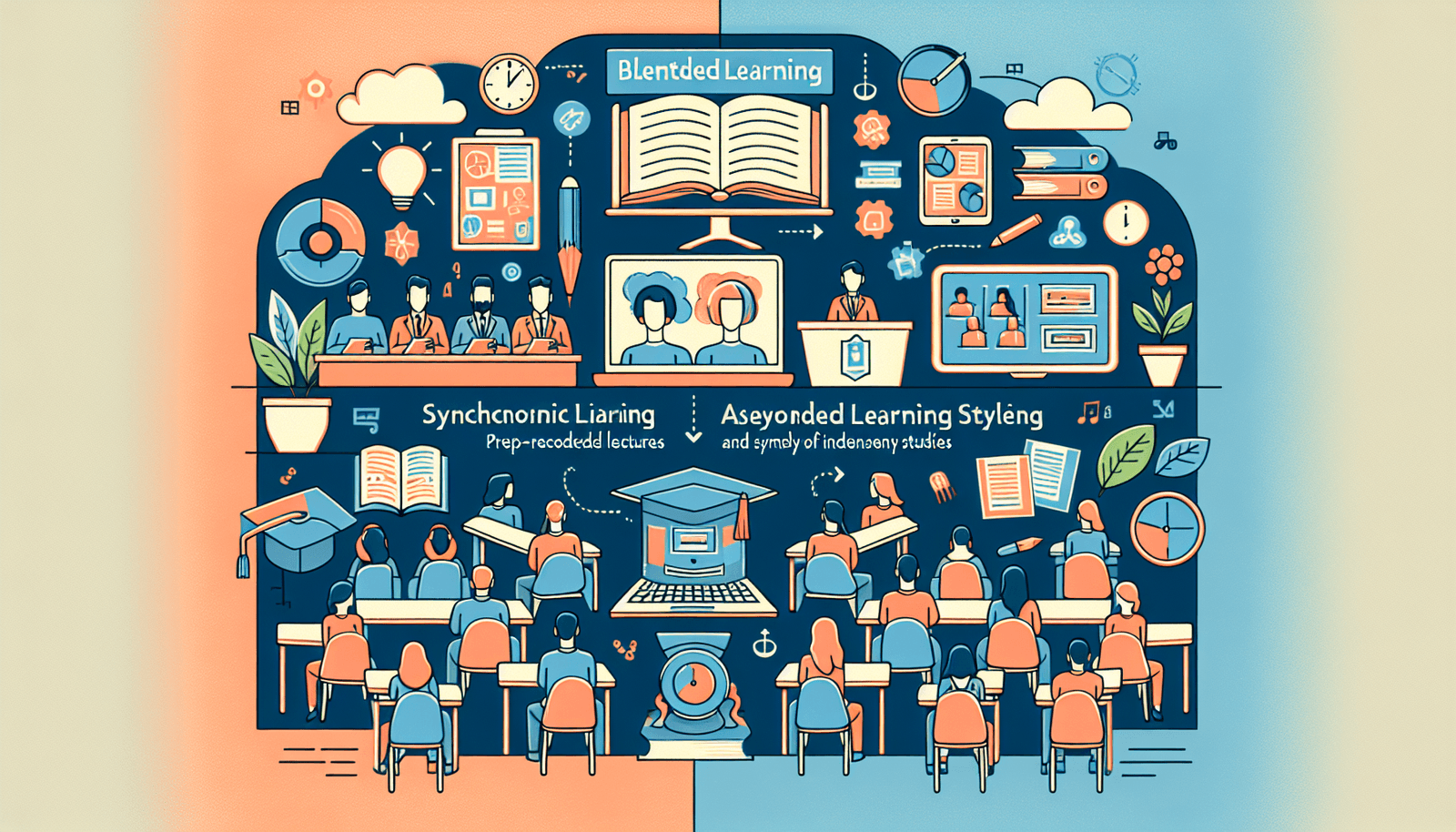
Synchronous Vs. Asynchronous Learning: Key Differences & Benefits
Choosing between synchronous and asynchronous learning can feel harder than it should. You’re probably asking things like: “Do I need to show up live?” and “Will I actually learn more with one style than the other?” Good news—you’re not the only one. I hear these questions all the time from people who are juggling work, family, and real-life schedules.
In my experience, the best choice isn’t about which one is “better” in general. It’s about which one fits the way you learn, how much structure you want, and what kind of support you need to stay motivated. Stick with me and I’ll break down the real differences—plus the practical tradeoffs—so you can pick what works for you.
Below, I’ll explain synchronous and asynchronous learning, share the benefits and downsides I actually see in practice, and then show you how blended learning can be a sweet spot when you want both flexibility and connection. If you’re building a course or choosing a program for yourself, this should make the decision a lot clearer.
Key Takeaways
- Synchronous learning happens in real-time, so you get instant feedback and live discussion.
- Asynchronous learning is flexible—learn whenever you want and revisit content as many times as you need.
- Synchronous classes often feel more “social,” while asynchronous formats tend to encourage deeper, slower thinking.
- The right method depends on your schedule, your learning habits, and how you handle deadlines.
- Asynchronous learning rewards self-discipline—if you miss deadlines often, it gets tough fast.
- In synchronous sessions, quieter learners can get overlooked unless the instructor uses structured participation.
- Asynchronous courses can feel lower-pressure, especially for students who don’t love speaking live.
Synchronous Learning Explained
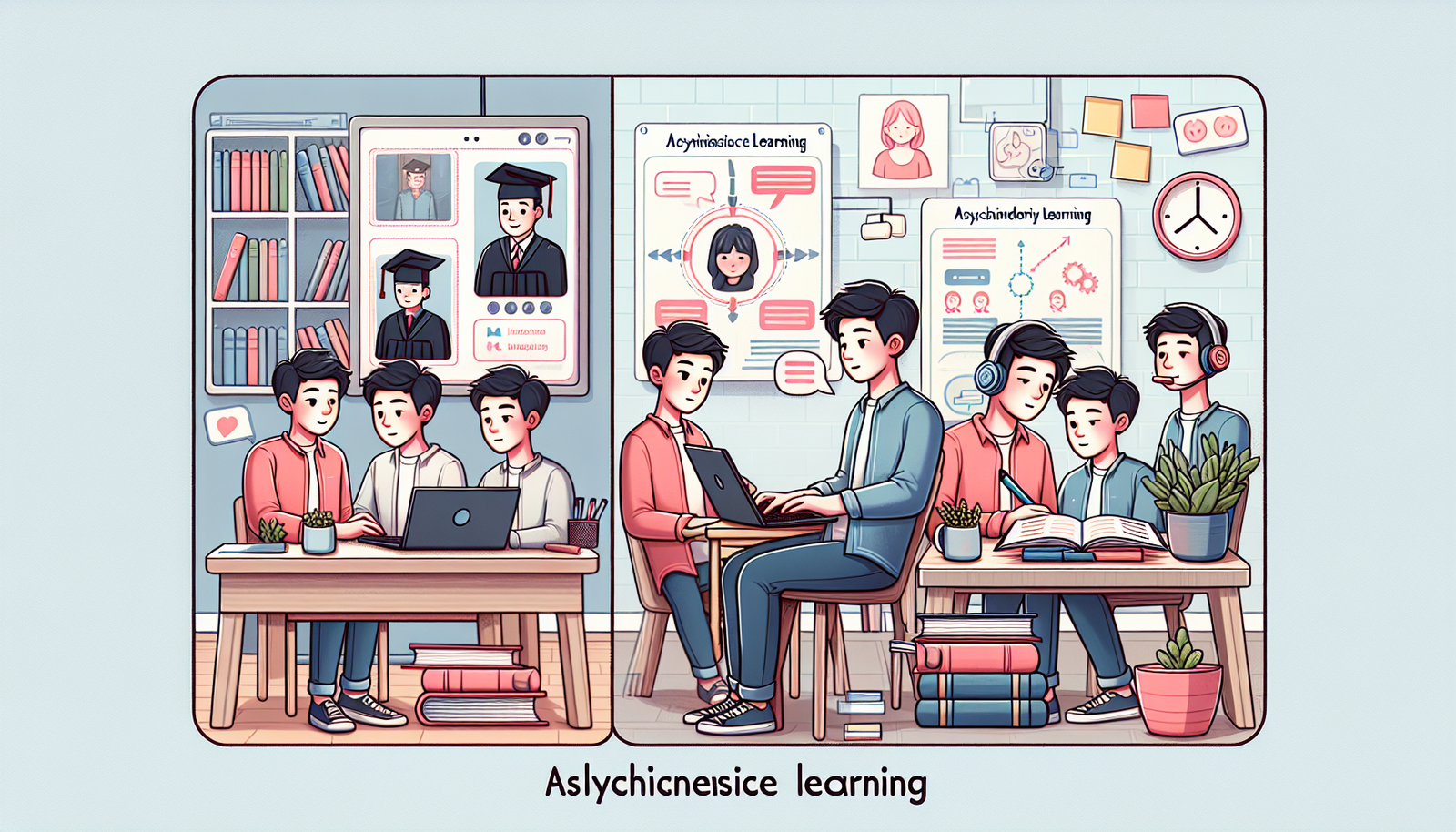
Synchronous learning is when students and instructors meet in real time—online or in person—so everyone is working through the lesson at the same time.
In practice, that usually means video conferencing, live chat, shared screens, and sometimes collaborative tools like whiteboards or breakout rooms. You can ask questions right away, and the instructor can adjust on the spot.
It’s basically “classroom energy,” even if you’re at home. I’ve noticed that when the instructor is prepared (clear agenda, time-boxed activities, and participation prompts), synchronous sessions feel fast and motivating. When they’re not? You can feel the pace slip.
For example, a typical live session might look like: a 10–15 minute mini-lecture, 5–10 minutes of guided practice, a short group discussion, then a Q&A. Assessments can include live polls, quick quizzes, or short checks for understanding during the session.
Platforms like Zoom or Microsoft Teams make this style easy to run, but the real difference comes down to timing and interaction—not the tool.
Asynchronous Learning Explained
Asynchronous learning means you work through course materials on your own schedule. No live meeting required (or at least not every week).
This format is built for flexibility. You can pause, rewind, and revisit lectures or readings whenever something doesn’t click. That matters more than people think—especially for technical topics like coding, math, or anything with steps.
Common examples include pre-recorded video lessons, reading assignments, discussion boards, and online quizzes. Many courses also include downloadable resources, templates, and self-grading activities.
In my experience, the best asynchronous courses don’t just dump content in a library. They guide you with a clear learning path: “Watch this,” “Answer this,” “Apply it here,” and “Check your understanding with this quiz.”
It’s also worth being honest about the tradeoff: asynchronous learning works best when you can manage your time. If you’re the type who falls behind once, you’ll feel it here.
Key Differences Between Synchronous and Asynchronous Learning
So what’s the real difference? Here’s the simplest way I explain it:
Synchronous = same time, same place (live interaction).
Asynchronous = your time, your place (self-paced with delayed interaction).
Interaction is another big divider. In synchronous learning, you get immediate communication—questions, answers, clarification, and real-time group discussion. In asynchronous learning, responses are often delayed. That can be a downside if you need help instantly, but a win if you prefer thinking first and posting after.
Community feels different too. Live sessions can create a strong “we’re in this together” vibe. But asynchronous learning can actually encourage deeper reflection because learners have time to craft responses and revisit materials before they participate.
What should you base your decision on? Start with logistics and learning needs:
- Time zones and work schedules: If you’re dealing with shifting availability or multiple time zones, asynchronous or blended usually makes life easier.
- Your learning style: If you learn best with structure and a live pace, synchronous helps. If you need to replay and slow down, asynchronous wins.
- Support you require: If you get stuck quickly, synchronous Q&A can save you. If you can self-correct with resources, asynchronous is fine.
Quick rule of thumb I use: if you can realistically attend at least 80–90% of live sessions, synchronous is more likely to work. If you expect to miss more than that, asynchronous (or a blended schedule) is usually the safer bet.
Benefits of Synchronous Learning
Synchronous learning has a few advantages that are hard to replicate with self-paced content.
1) Instant feedback
When you ask a question live and get an answer immediately, you don’t keep practicing the wrong thing for days. That’s a big deal in skill-building courses.
2) Higher engagement for many learners
Live sessions naturally create momentum. There’s a start time, a shared activity, and you can’t “accidentally” forget the lesson without noticing.
3) Built-in community
Even online, live discussion can make learners feel seen. I’ve found that when instructors use structured participation (like “answer in chat first,” then discuss), it helps everyone—not just the most outspoken students.
4) Practice speaking and explaining
If your goal is communication (presenting, teaching, sales training, facilitation), synchronous sessions give you reps in real time.
5) Clear accountability
Deadlines are built into the schedule. If you like structure, this can keep you on track without relying entirely on your own motivation.
One practical note: If your class is large, synchronous can still work—but the instructor needs more than “open the floor.” Look for tools like live polls, small breakout groups, and frequent check-ins.

Benefits of Asynchronous Learning
Asynchronous learning is popular for a reason. It removes a lot of the friction that stops people from finishing courses.
1) Flexibility that actually fits real life
You can study after work, during lunch breaks, or late at night if that’s when your brain is sharp. For parents, shift workers, and people with unpredictable schedules, this can be the difference between “I can do this” and “I can’t.”
2) Self-paced learning
You can slow down when a concept is tricky and speed up when it’s not. I’ve noticed that learners often retain more when they can rewatch the exact 3–5 minutes they missed instead of hoping the next live session covers it.
3) Better for review and reinforcement
Recorded lectures and resources make it easier to revisit content before assessments. If a quiz is coming up, you’re not stuck waiting for a live replay.
4) Thoughtful discussion
Discussion boards and forums give you time to respond carefully. Instead of answering on the spot, learners can reference the reading, add examples, and build on each other’s ideas.
5) Lower pressure for shy or anxious learners
If speaking live makes you freeze, asynchronous participation can feel safer. You can contribute without the “spotlight effect.”
And yes, asynchronous courses are often accessible across locations—learners can engage with the same materials regardless of where they live.
Challenges of Synchronous Learning
It’s not all sunshine with synchronous learning. Here are the issues that tend to show up.
1) Scheduling pressure
Live sessions require everyone to be available at the same time. If you’re across time zones or your job runs late, you’ll miss sessions. And if recordings aren’t provided, catching up becomes painful.
2) Tech problems can derail the class
Audio lag, camera issues, unstable internet—these happen. When they do, the learning flow breaks. The lesson doesn’t pause for Wi-Fi.
3) Participation can be uneven
In many live environments, the loudest voices dominate. Quieter learners may feel overlooked unless the instructor uses structured prompts (chat-based questions, breakout roles, or rotating speakers).
4) Pacing can feel rushed
Live sessions move forward. If you’re slower to grasp a concept, you might fall behind unless the instructor pauses for practice and checks understanding.
The good news? Instructors can fix a lot of this with design. If you’re choosing a synchronous program, I’d look for: recordings, clear agenda, participation structure, and frequent checks for understanding.
Challenges of Asynchronous Learning
Asynchronous learning is flexible, but it comes with its own set of hurdles.
1) Isolation
Without real-time interaction, some learners feel disconnected. If there’s no feedback loop, motivation drops fast.
2) Procrastination risk
This is the big one. When there’s no live meeting, it’s easy to “just watch later.” If you miss weekly progress, the course can start to feel like a mountain.
3) Delayed support
If you get stuck, you might have to wait for instructor replies or peer responses. That delay can be frustrating—especially early in the course.
4) Too much content, not enough direction
Some asynchronous courses overwhelm learners with options: multiple videos, readings, and resources without a clear path. It becomes hard to know what to focus on.
If you’re taking an asynchronous course, here’s what I recommend (and what tends to work):
- Set a weekly quota: If the course expects 6 hours/week, block 3 hours on two days instead of “whenever.”
- Use a “catch-up threshold”: If you’re more than 1 week behind, stop and plan a recovery schedule immediately.
- Stay visible: Post in discussion boards and ask questions early—don’t wait until you’re totally stuck.
Which Learning Style is Right for You?
Honestly, the “right” learning style depends on you. Your schedule matters. Your energy matters. Even how you handle deadlines matters.
Here’s a quick way to decide:
- Choose synchronous learning if: you learn best with structure, you like live discussion, and you can attend most sessions (think 80–90%+).
- Choose asynchronous learning if: you need flexibility, you want to replay content, and you’re comfortable staying on track without weekly live accountability.
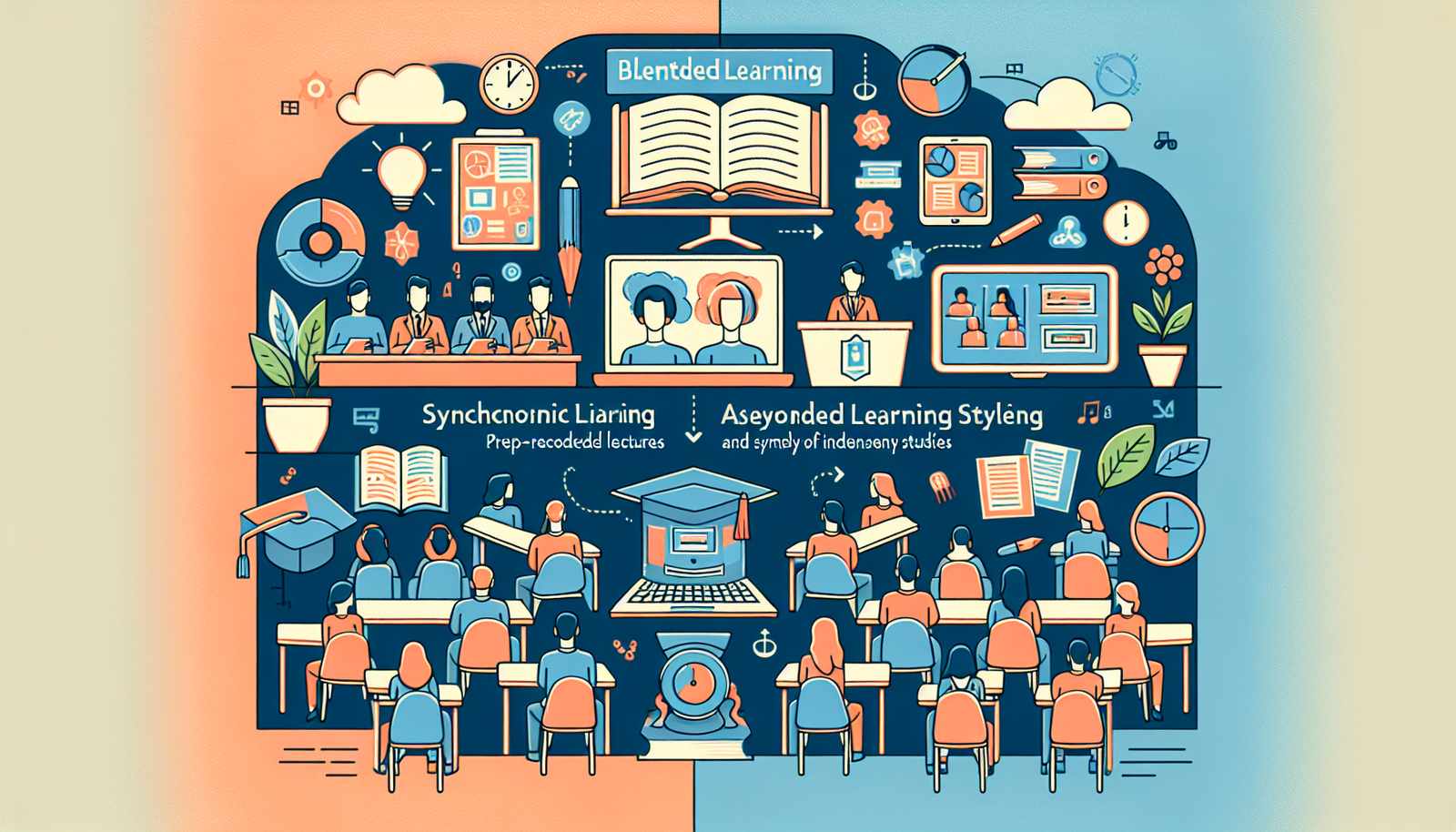
- Choose blended learning if: you want flexibility but also need periodic live support (Q&A, practice sessions, or group feedback).
If you’re not sure, don’t overthink it. Try one live session and pay attention to how you feel afterward. Did you understand the concept? Did the pace work? Then compare it with a self-paced module where you can pause and rewatch. That contrast usually makes the answer obvious.
In my experience, most people do best when the course matches their reality—not an ideal schedule they can’t maintain.
Examples of Synchronous and Asynchronous Learning
Let’s make this concrete. What does each format actually look like day-to-day?
Synchronous learning examples include:
- Live lectures where you watch the instructor present and can ask questions via chat or voice.
- Workshops with guided practice (for example, “Do this exercise for 10 minutes, then we review answers”).
- Interactive webinars with live polls, Q&A, and breakout rooms.
- Virtual study groups that meet weekly to review content and work through problems together.
For instance, a university-style class on Zoom or Google Meet where students discuss concepts in real time and the instructor checks understanding through quick prompts.
Asynchronous learning examples include:
- Pre-recorded lecture videos you can watch on your own schedule (and rewatch when needed).
- Discussion boards where you post after reading, then respond to peers.
- Online quizzes that provide instant feedback or require submission for grading.
- Assignments in an LMS (like essays, projects, or coding tasks) submitted when you’re ready.
Platforms like Coursera and Udemy are common examples of asynchronous learning, where you move through lessons at your pace.
The key difference isn’t just “live vs not live.” It’s whether you get real-time support and whether the course design tells you exactly what to do next.
The Future of Learning: Blended Approaches
The future of learning isn’t about picking one format forever. It’s about combining the strengths of both.
That’s why blended learning is becoming so common: you get flexibility from asynchronous materials, plus real-time connection from synchronous sessions.
Here’s what blended often looks like in real life:
- Watch pre-recorded lectures during the week (asynchronous).
- Attend a short live session for Q&A, discussion, or practice (synchronous).
- Submit an assignment or quiz asynchronously after the live meeting.
This setup helps learners stay on track without locking everyone into one time slot for every topic. It also gives instructors a chance to address misconceptions before they snowball.
And as tools evolve—interactive quizzes, AI-assisted feedback, and more robust learning platforms—the gap between “live” and “self-paced” keeps shrinking. The best programs will use technology to support learning, not just deliver content.
Honestly, blended is usually the most practical compromise if you’re trying to make education work for different schedules and different learning speeds.
FAQs
Synchronous learning involves real-time online classes or meetings where instructors and students interact simultaneously, often facilitated by video conferencing platforms. This format supports immediate feedback and more active engagement during the session.
Asynchronous learning gives you flexibility to access materials and complete assignments on your own schedule. It supports self-paced progress, and it’s especially helpful when you need to revisit lessons or learn at a slower (or faster) pace than a live class allows.
Scheduling can be tough for synchronous learning, especially across time zones. Technical issues (like poor internet or audio problems) can also disrupt sessions. And in larger classes, some learners may get less personalized attention unless the instructor uses structured participation methods.
Start with your schedule and how you learn. If you want real-time interaction and can attend live sessions regularly, synchronous learning is usually a better fit. If you need flexibility and like to learn in your own time, asynchronous learning often works better. If you’re unsure, blended learning is often the most balanced option.