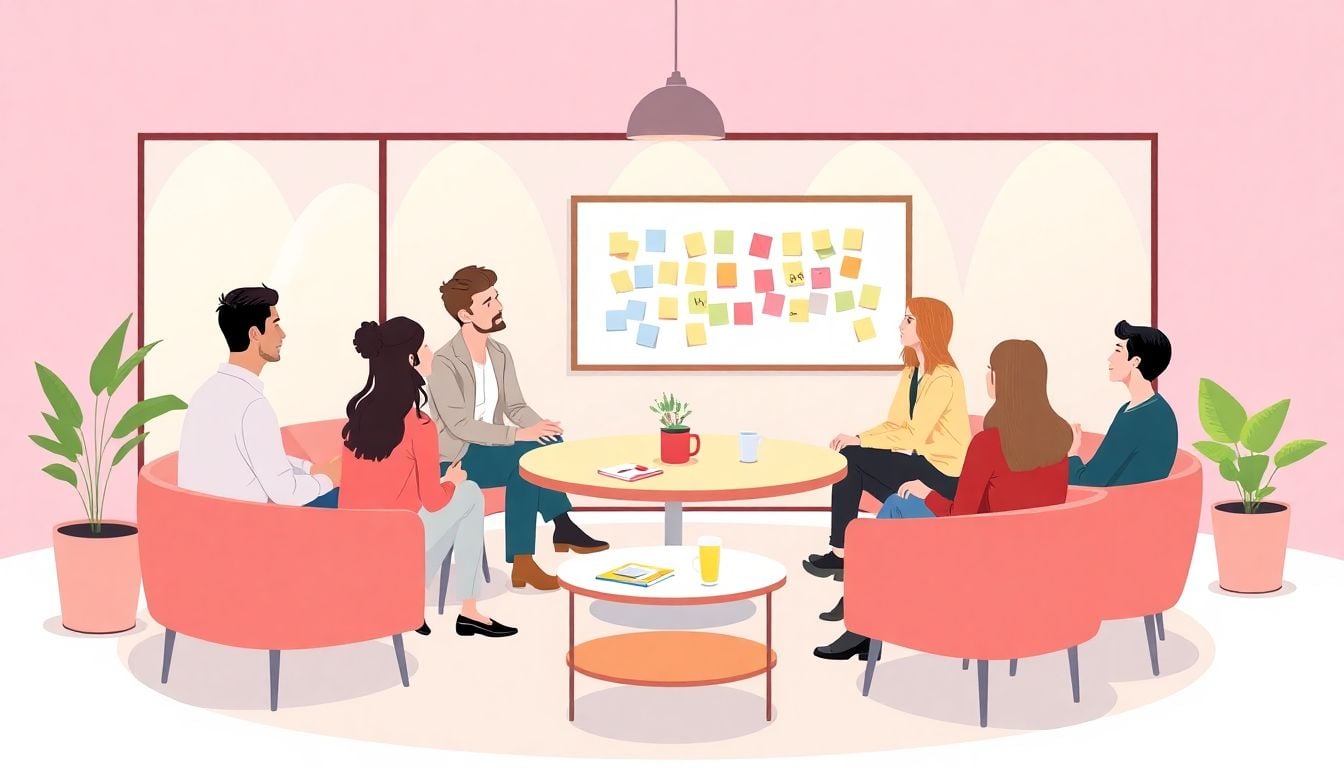
How to Host Breakout Rooms Effectively in 11 Simple Steps
Hosting breakout rooms can be tricky—getting everyone involved and staying on track isn’t always easy. If you’ve ever felt awkward about organizing small groups or worried participants won’t engage well, you’re not alone. Keep reading, and I’ll share simple tips that can turn those breakout sessions into lively, productive chats everyone enjoys. By the end, you’ll have a clear plan to run breakout rooms smoothly and confidently.
Key Takeaways
Key Takeaways
- Set clear, specific goals before starting breakout sessions to give participants direction and keep the focus. Share these goals at the beginning for everyone to be on the same page.
- Plan and assign groups ahead of time, mixing skill levels and departments to encourage better collaboration. Assign roles like facilitator or note-taker to keep discussions organized.
- Keep groups small, ideally 3-5 people, to ensure everyone gets a chance to participate and have meaningful conversations. Smaller groups foster stronger team bonds.
- Understand the difficulty level of the room and set realistic expectations. Adjust instructions and hints based on the challenge to maintain engagement without frustration.
- Track how groups perform using data like completion times and feedback. Use this info to improve future sessions and better suit participant needs.
- Be ready for common problems such as tech issues or unresponsive members by having backup plans. Flexibility keeps the session enjoyable despite challenges.
- Incorporate playful elements like humor, surprises, or themed props to make the experience fun. Lighthearted touches boost participation and create positive memories.

1. Set Clear Goals for Breakout Rooms
Before splitting your group into breakout rooms, take a moment to decide what you want everyone to achieve.
Think about whether it’s brainstorming, problem-solving, or just team bonding.
Clear goals give participants a sense of direction and purpose, making the session more productive.
For example, if you want teams to come up with ideas for a project, tell them exactly what kind of ideas you’re after.
This way, they won’t waste time wandering aimlessly or feeling unsure about their task.
Also, setting a target outcome—like presenting three main points—helps keep everyone focused and on track.
Remember, the clearer your goals, the less likely participants will get distracted or drag the session out unnecessarily.
So, no vague instructions—be specific, and everyone will know what success looks like by the end.
Here’s a quick tip: write down the goals and share them at the start to make sure everyone’s on the same page.
2. Strategically Plan and Assign Groups
Don’t just randomly throw people into rooms—take a few minutes to plan who works well together and why.
Consider mixing different skill levels or departments to promote fresh ideas and experiences.
For instance, pairing a newbie with a seasoned team member can boost learning and confidence.
Use tools like spreadsheets or breakout room features on platforms like Zoom to organize groups ahead of time.
If you’re short on prep time, at least have a quick mental list: sure, avoid putting the same team members together repeatedly.
A good plan keeps groups balanced, prevents certain participants from dominating, and ensures everyone gets involved.
Once groups are set, assign roles—like facilitator, note-taker, or presenter—to keep things moving smoothly.
This prep work might seem small, but it directly affects how engaged and effective each team will be during their time together.
3. Keep Groups Small for Better Engagement
When it comes to breakout groups, less is often more.
Limiting each room to around 3-5 people helps everyone have a chance to speak and participate.
Big groups tend to get loud and chaotic, with some folks fading into the background.
For example, if you’re running a team-building exercise, smaller groups make it easier to foster conversations and build real connections.
Plus, with fewer voices, you can steer discussions more easily and ensure everyone’s ideas are heard.
If your overall group is large, break everyone into smaller, manageable chunks—think of it as crowd control for creativity.
Many successful escape room teams keep their groups small, which is reflected in the fact that rooms with fewer players tend to finish faster and more often.
Aim for a size that allows natural dialogue without making it hard to keep track—usually around 4 people per group hits the sweet spot.
Small groups increase the chances of genuine collaboration, making the whole experience more enjoyable and meaningful.

12. Understand the Room Difficulty and Adjust Expectations
Escape rooms can vary widely in difficulty, and knowing this helps set realistic goals.
In 2025, only about 15-40% of groups successfully finished escape rooms, depending on the challenge level ([source](https://missionescapegames.com/anaheim/2025/04/24/what-is-the-success-rate-of-most-escape-room-oc/)).
If your group is tackling a tough room, don’t stress if they don’t finish; focus on the experience and teamwork.
For easier rooms, encourage groups to aim for a quick solve to boost confidence.
Adjust your instructions and hints based on the difficulty, so participants stay engaged without feeling overwhelmed.
Being aware of the room’s complexity can help you guide groups better and avoid frustration.
Plus, sharing expected success rates beforehand can actually build anticipation and motivate teams to push themselves.
Remember, the goal is fun and collaboration, not just finishing quickly.
13. Use Data to Track Progress and Improve Future Sessions
Keep an eye on how groups perform to learn what works and what doesn’t.
In 2025, being able to finish a room in under 15 minutes with a well-coordinated team was common ([source](https://createaicourse.com/compare-online-course-platforms/)).
Take notes on which group sizes, instructions, or facilitators led to better results.
If some groups are consistently struggling, maybe tweak your instruction methods or room complexity.
Using simple data collection—like recording completion times and participant feedback—can help you see patterns.
Over time, this insight allows you to fine-tune your planning, making each session better than the last.
Andy from your team might be great at guiding new players, so assign him accordingly next time.
Tracking success rates and participant satisfaction can also boost the overall experience.
14. Prepare for Common Challenges and Have Backup Plans
No matter how much you plan, surprises happen—technical glitches, unresponsive participants, or slow connections.
In 2025, about 29% of groups didn’t finish on time, often due to hurdles you didn’t see coming ([source](https://createaicourse.com/how-do-you-write-a-lesson-plan-for-beginners/)).
Always have a backup plan, like extra hints or a simplified version of the game, ready to go.
If the tech fails, be ready to switch to an offline activity or a discussion-based debrief.
Make sure facilitators know how to handle common hiccups quickly and calmly.
Creating a checklist of troubleshooting steps beforehand can save you a lot of stress.
Remember, the main aim is participant engagement—don’t let technical issues kill the vibe.
Flexibility is key: adapt on the fly and keep everyone in good spirits.
15. Incorporate Fun and Lighthearted Elements
Adding humor and playful surprises keeps the atmosphere lively.
Surprise hints or funny puzzles can make the experience memorable and encourage teamwork.
For instance, throw in a goofy riddle or a silly award for the team that solves the most puzzles.
In 2025, 84.9% of participants found the experience enjoyable, with many appreciating the light-hearted moments ([source](https://createaicourse.com/learn-and-earn-money/)).
You might also include themed elements, costumes, or props to boost the fun factor.
Just remember not to let the game get too serious—if participants are having fun, they’re more likely to collaborate and stay engaged.
A relaxed, humorous vibe can even ease those who feel stuck, making the whole session more enjoyable for everyone.
Smiles and laughter create a positive memory that sticks around long after the game is over.
FAQs
Define specific objectives for each session, such as brainstorming or problem-solving, and communicate these goals clearly to participants to ensure focused and productive discussions.
Plan groups based on participants’ skills or interests, and assign them strategically to promote balanced discussions and diverse perspectives within each group.
Assign clear tasks, encourage participation, and check in regularly. Using engaging prompts or activities also helps maintain energy and focus within each group.
Facilitators help keep discussions on track, ensure everyone participates, and assist with any issues, resulting in more productive and organized sessions.