
How to Create Courses for High-Performance Habits in 7 Clear Steps
Creating a course that helps people build high-performance habits sounds simple… until you actually try to design it. Most of the time, the problem isn’t that the content is “bad.” It’s that learners don’t know exactly what to do tomorrow, they don’t get enough structure for the first week, and they don’t have a way to recover when motivation drops.
In my experience, the courses that work best are the ones that feel practical from day one: clear habit targets, short lessons, guided practice, and check-ins that tell learners what “good” looks like. Below are the 7 steps I use to turn one habit into a course that people can actually stick with.
Key Takeaways
Key Takeaways
- Pick 1–3 high-performance habits to teach first. Don’t try to cover every productivity tip under the sun.
- Choose habits that are both measurable and repeatable (deep work blocks, daily planning, weekly reflection, etc.).
- Turn each habit into a sequence of small steps with milestones, practice prompts, and weekly review.
- Use tools (habit trackers, reminders, progress dashboards) so learners get feedback fast and don’t “guess” their way through.
- Build accountability with a simple cadence: weekly check-ins, clear roles, and moderation rules that keep the community useful.
- Support learners after the course ends with templates, an ongoing resource library, and a light follow-up system.

Start by Picking the Right High-Performance Habits to Teach
The first step is choosing the right habits—not just “good habits.” If you teach too many, learners won’t build any. I learned this the hard way: the more options I gave in week one, the more people stalled.
What I look for are habits that are:
- Performance-linked (they improve output, focus, recovery, or decision-making).
- Repeatable (same trigger, same action, same rough timing).
- Measurable (even if it’s simple like “did it happen today?”).
Examples that usually work well for high-performance audiences: deep work blocks, a morning plan (3 bullets + top priority), weekly review, intentional breaks, and reflection/journaling.
Here’s a quick way to pick your first habit: ask yourself, “If someone does this for 14 days straight, will their day look different?” If the answer is “maybe,” keep searching. If it’s “yes, noticeably,” you’re closer.
Identify the Core High-Performance Habits That Lead to Success
Once you’ve got a shortlist, don’t rely on vibes. Look at what consistently shows up in successful routines: planning, focus, deliberate practice, recovery, and review.
In my work building habit-focused course content, the “core” habits tend to share a pattern: they reduce friction. Time blocking reduces the “what should I do next?” problem. A daily reflection reduces the “why did I waste today?” problem. A weekly review reduces the “I’m not improving” feeling.
Instead of name-dropping celebrities, I recommend you do a simple breakdown:
- Task: what the learner actually does (e.g., 25 minutes deep work).
- Trigger: what starts it (e.g., after coffee / after opening the laptop / after a calendar event).
- Rule: what “done” means (e.g., one timer + one concrete deliverable).
- Review: how they check progress (e.g., daily “streak” or weekly score).
Then, build lessons around those four parts. That’s how the habit feels tangible—because it’s not abstract. It’s a system.
Design a Course That Makes Habit Formation Stick
This is where most courses lose people. They teach, but they don’t coach the behavior.
My approach is to design your course like a 4-week practice plan. Each habit gets a “start line,” a “practice sequence,” and a “recovery plan.”
1) Break the habit into a 7-day starter plan
Don’t start with “do it perfectly.” Start with “do it enough to prove it’s possible.” For example, if your habit is deep work, your week one might be:
- Day 1: set up workspace + pick one deliverable (10 minutes total setup).
- Day 2: 10-minute deep work + stop on time.
- Day 3: 15-minute deep work + write the next step before you stop.
- Day 4: 15-minute deep work (same time window).
- Day 5: 20-minute deep work.
- Day 6: 20-minute deep work + quick reflection (2 questions).
- Day 7: weekly review + adjust your trigger.
2) Use lesson formats that force action
In each module, I like to rotate between:
- Short teaching (3–7 minute video)
- Guided practice (worksheet, checklist, or prompt)
- Submission (a screenshot, a filled form, or a “did it happen?” log)
- Feedback (even lightweight feedback helps—rubrics, examples, or model answers)
3) Build cue design (not just reminders)
Most people say “set reminders.” Sure—but reminders fail when the timing is vague. What actually helps is designing the cue like a mini instruction.
Here’s a cue framework you can give learners:
- Cue type: time / location / action / emotion
- Timing: exact (e.g., 9:30am) or event-based (after calendar event)
- Environment: what’s already on the desk / in the room
- Action script: the first 10 seconds (“open doc → write title → start timer”)
Example cue (deep work): “At 9:30am after I open my project doc, I start a 15-minute timer and write the first sentence. If I get distracted, I note it and continue.”
4) Add weekly check-ins that teach learners how to adjust
Instead of just “take a quiz,” I use a check-in that asks for data and decisions. A simple weekly check-in can include:
- Streak adherence: days completed / days attempted
- Top success: one thing that made it easier
- Top blocker: what broke the chain (time, energy, environment, unclear deliverable)
- Adjustment: one change for next week (new trigger, smaller target, different time)
That last part matters. Without adjustment, learners keep repeating the same failure mode.
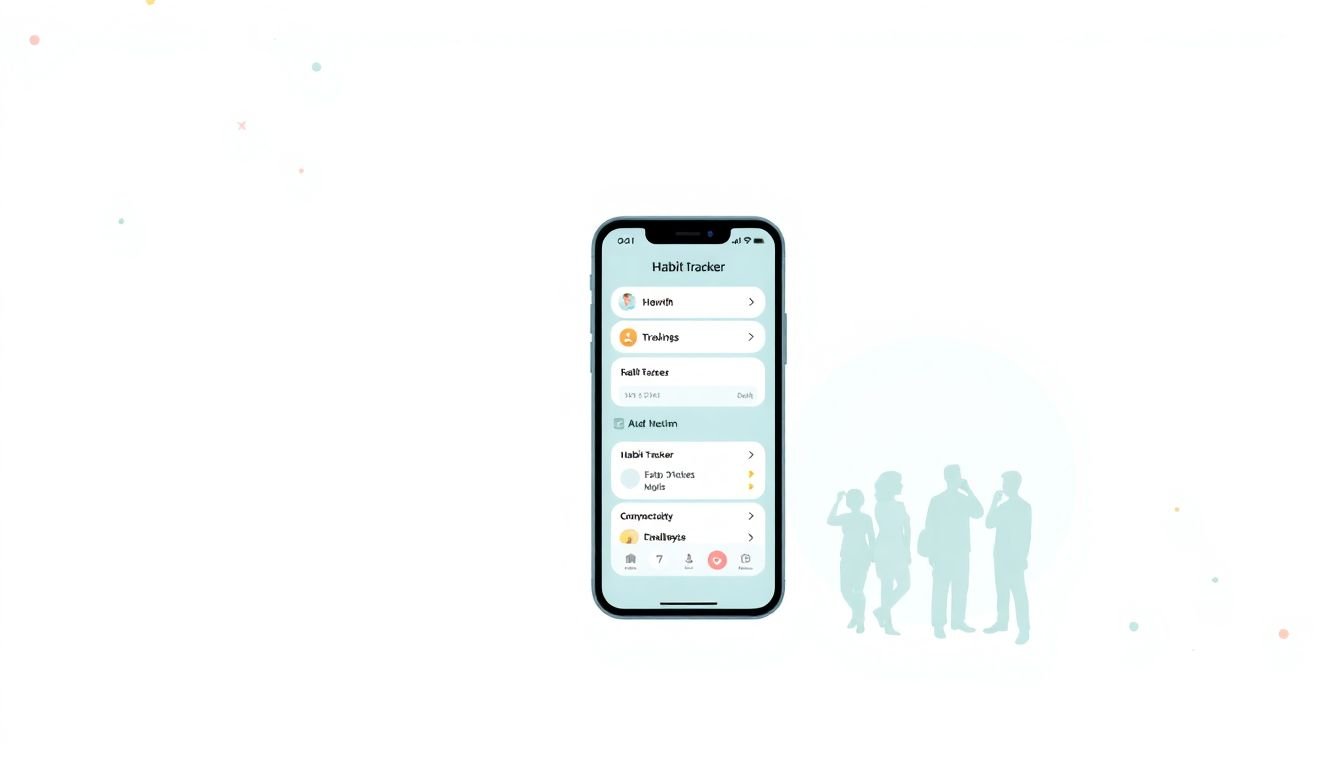
Leverage Technology and AI to Accelerate Habit Building
Technology isn’t the main ingredient, but it’s the accelerator. The right tools reduce friction and give learners feedback quickly (which is basically what habits rely on).
When I test habit courses, I pay attention to whether the platform helps learners answer three questions:
- “Did I do it today?” (fast logging)
- “What went wrong?” (simple blocker tags)
- “What should I do next?” (a recommended adjustment)
AI can help with those. For example, you can use in-course AI guidance for instant feedback on learner submissions. Instead of “good job,” you can prompt learners with specific next steps like: “Your cue is too vague. Rewrite it as ‘after X at Y time’ and add a 10-second starter action.”
Here are concrete tech features that tend to matter more than people expect:
- Habit templates (so learners don’t start from a blank page)
- Reminder rules (time-based and event-based)
- Progress analytics (simple charts are enough)
- Recovery prompts (“You missed 2 days—choose a smaller target for tomorrow”)
And please don’t ignore the human side: teaching learners how to use the tool is part of the course. If you just drop an app link, some people won’t set it up correctly and you’ll hear “this didn’t work for me.”
Build Community and Accountability for Long-Term Success
People stick with habits when they feel seen. Not “motivated once.” Seen. That’s why community works—when it’s structured.
Here’s a community cadence I’ve seen work well:
- Weekly challenge thread (one question: “What did you do this week?”)
- Two check-in prompts (midweek and end-of-week)
- Accountability pairs (optional, but powerful)
- Mod rules (what to post, what not to post, how to respond)
What I like about this setup is it prevents the “random posting” problem. Learners don’t have to wonder what to say. They just follow the prompt.
Also: include a role for community leaders or mentors if you can. Even a lightweight “weekly roundup” post from you (or a moderator) makes it feel real.
Measure community impact in a practical way. Track:
- Completion rate (who finishes the habit plan modules)
- Streak adherence (average days completed per learner)
- Relapse recovery (how quickly learners restart after missing days)
If you’re not measuring anything, you’re guessing. And guessing is expensive.
Offer Extra Resources and Ongoing Support
High-performance habits don’t disappear on day 29. They either become part of someone’s routine… or they fade. Your job is to make the “what now?” part obvious.
So I include a resource pack that learners can use without thinking:
- Habit worksheet templates (cue/action/review)
- Weekly review form (successes, blockers, adjustment)
- Cheat sheets (common problems + fixes)
- Example logs (screenshots of what “good tracking” looks like)
For implementation support, I also point learners to lesson structure help like recipe templates for habit-building exercises. It makes it easier for them to translate the idea into action without getting stuck.
Then I add a light follow-up system. It doesn’t have to be heavy. Even 2–3 short emails after the course ends can improve consistency:
- Email 1 (Day 35): “How to handle a missed day”
- Email 2 (Day 42): “How to shrink your habit when life gets busy”
- Email 3 (Day 49): “How to lock in your cue so it runs automatically”
In my experience, this is the difference between “I liked the course” and “I’m still doing the habit.”
FAQs
Start by listing habits your audience already wants (focus, productivity, recovery), then filter for ones that are measurable and repeatable. I also recommend collecting feedback from 5–10 potential learners: ask what they’ve tried before and what failed. You’ll quickly see which habit targets feel realistic and which ones feel too vague.
Break the habit into a short starter plan (like a 7-day sequence), then build weekly milestones with practice, submission, and adjustment. Each week should answer three things: what to do, how to track it, and what to change when it doesn’t go as planned.
Interactive activities work best when they’re tied to action. Use quizzes for understanding, but pair them with worksheets, tracking logs, and reflection prompts that force learners to make decisions (their cue, their “done” rule, and their weekly adjustment).